Sometimes Technology Is Best When It’s Invisible Aiming for an Intuitive Exhibit Experience at “KAWASAKI in Photos”
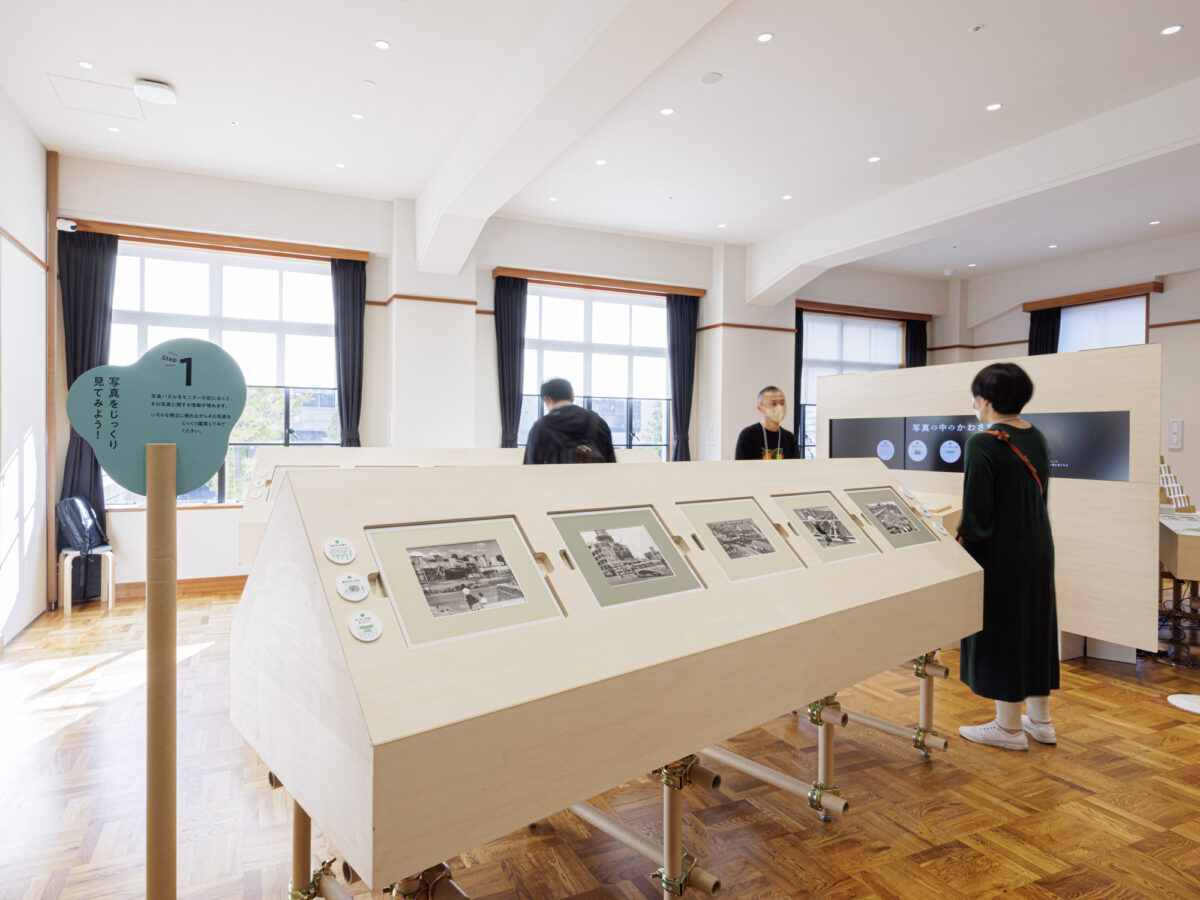
The first “KAWASAKI in Photos” exhibit was held at the Kawasaki...
in our articles. By providing background context and exploring the meaning that each word carries, we hope this series will serve as a natural entry point for readers to become familiar with cultural prescribing.
“Creative health”refers to an approach that promotes mental, physical, and social wellbeing through engagement with the arts and cultural activities. Creative encounters such as painting, listening to music, taking photographs, dancing, reading, or experiencing artworks in museums can calm the mind, lift the spirit, and reconnect people with one another. Recent research has shown that taking part in arts and cultural activities helps to reduce stress, ease feelings of loneliness, and improve quality of life.
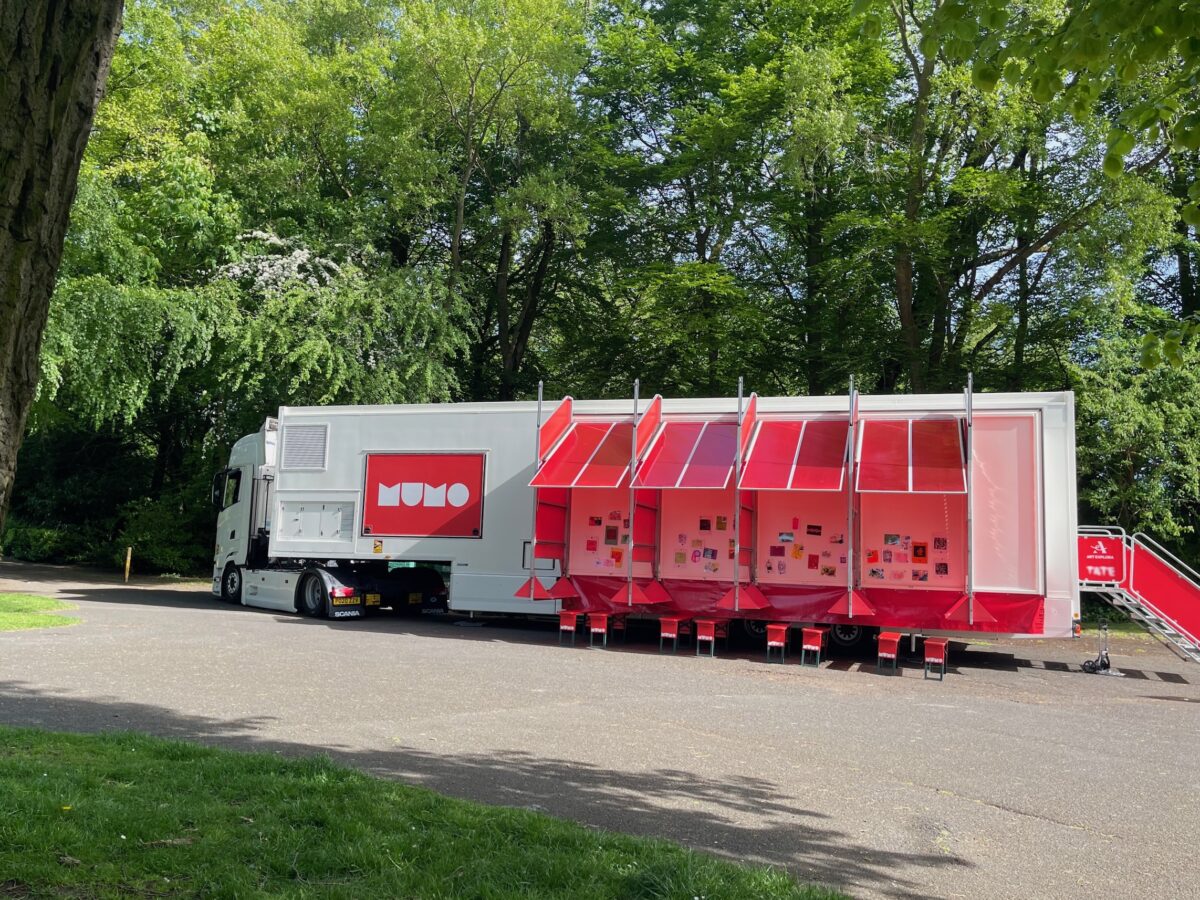
The term “creative health” became widely known in the United Kingdom following the publication of the 2017 parliamentary report “Creative Health: The Arts for Health and Wellbeing by the All-Party Parliamentary Group on Arts, Health and Wellbeing1.The report drew attention to the role of arts and culture in supporting health and wellbeing across healthcare, education, and community life. It also highlighted evidence showing a clear connection between cultural inequality and health inequality, emphasising the responsibility of public cultural institutions to expand access to cultural participation and to help address these disparities.
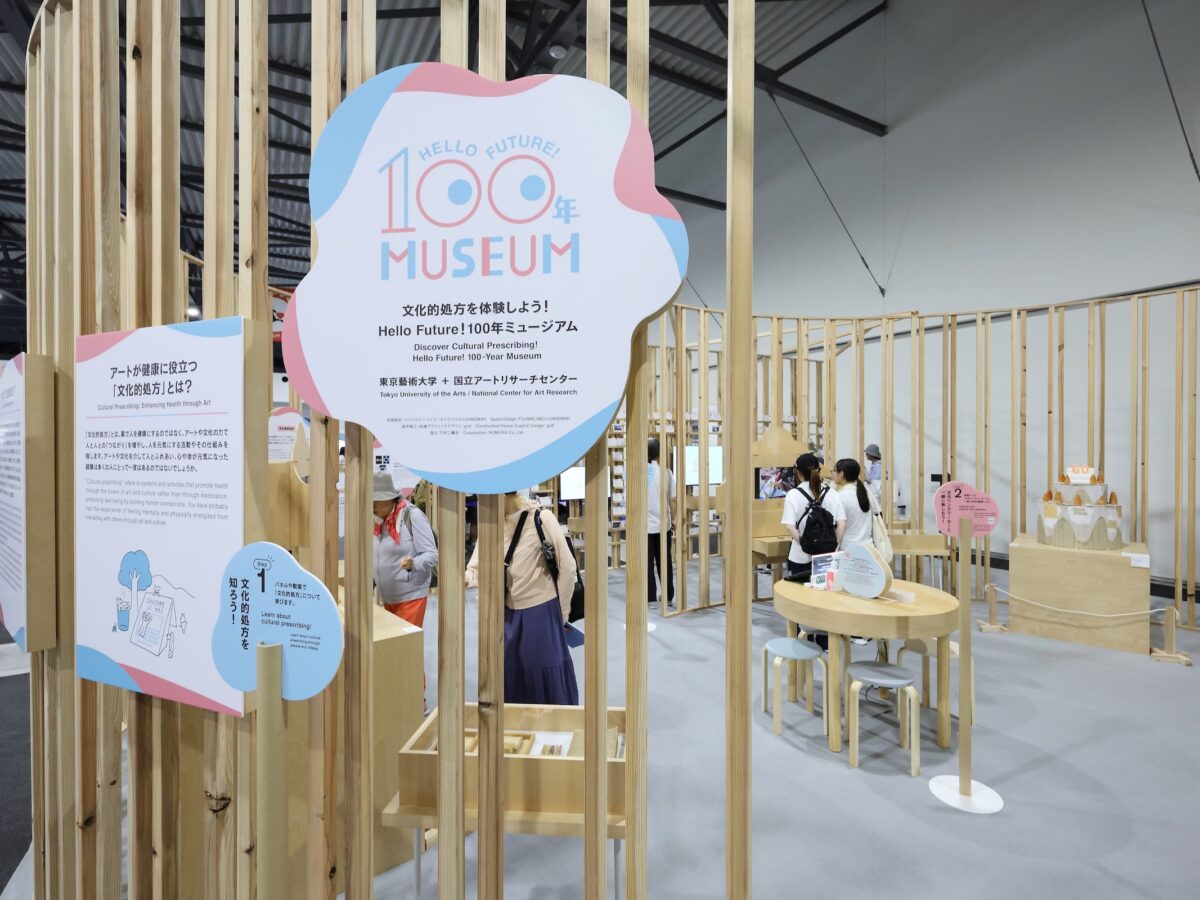
Here, “creative” does not simply refer to activities by those individuals with exceptional artistic talent. It describes a broader human capacity to express emotions, share experiences, and find meaning through connection with others. Beyond medicine or treatment, engaging with the arts can serve as “another kind of prescription” — one that nurtures both body and mind, and supports everyday wellbeing. In Japan, too, museums and community-based cultural programmes are beginning to explore and expand this new way of thinking about health.
 KEYWORD for Cultural Prescribing! "Creative Health" What does it mean?
 KEYWORD for Cultural Prescribing! "Cultural Prescribing and Social Prescribing" What do they mean?