Sometimes Technology Is Best When It’s Invisible Aiming for an Intuitive Exhibit Experience at “KAWASAKI in Photos”
The first “KAWASAKI in Photos” exhibit was held at the Kawasaki...
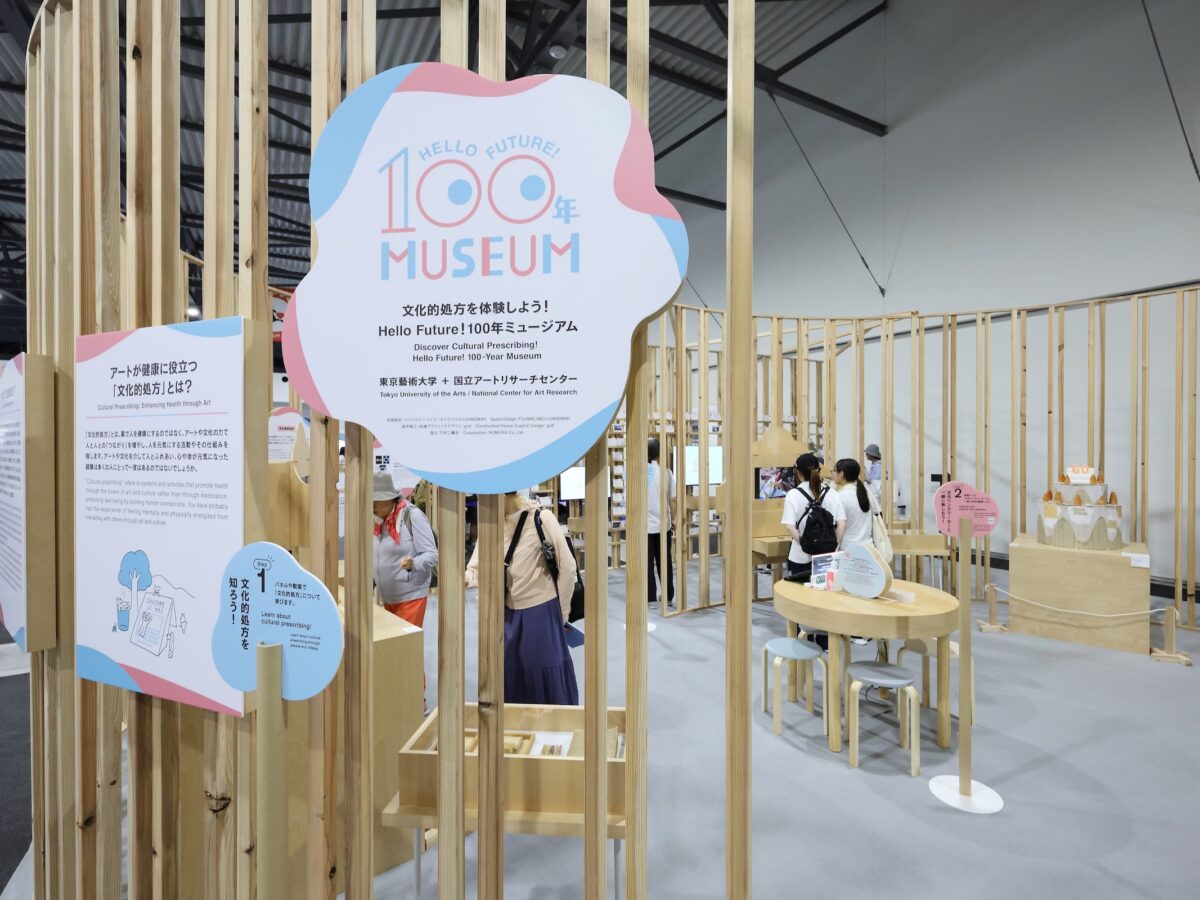
In recent years, research has increasingly shown that opportunities for creative experiences can affect health. We visited the UK, one of the leading countries in the field of “creative health,” which promotes health and wellbeing through cultural activities.
In May 2024, a project team from Tokyo University of the Arts and the National Center for Art Research conducting research on cultural prescribing traveled to the UK to study advanced initiatives in creative health (creative activities that contribute to health and wellbeing).
In this article, we introduce MUMO, a mobile museum that uses collections to reduce disparities in access to culture and education; Museum in a Box, which condenses collection data into a small box; and Platt Hall Inbetween, a project of Manchester Art Gallery that collaborates with local communities and the healthcare sector.
⸻Could you explain what MUMO is?
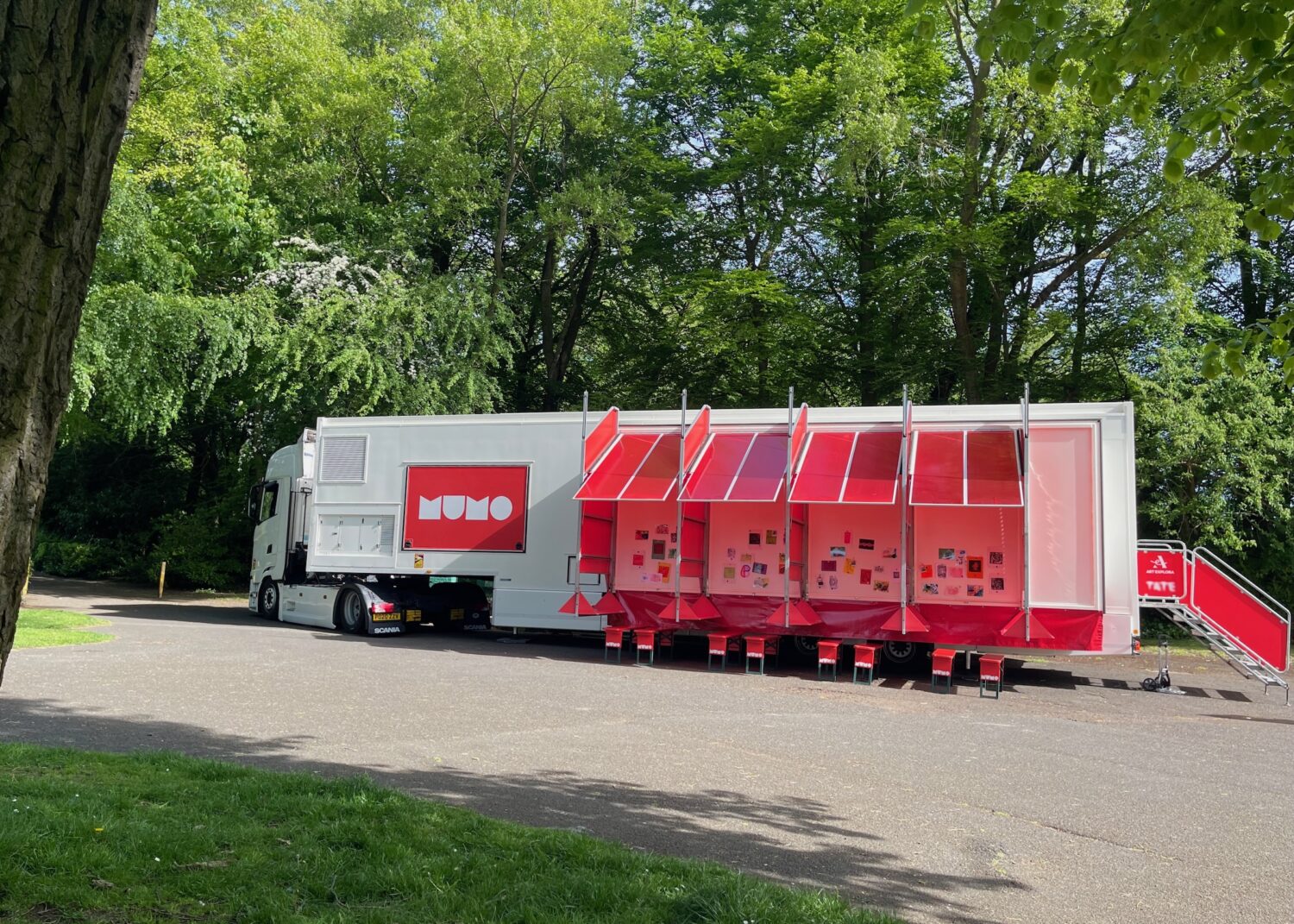
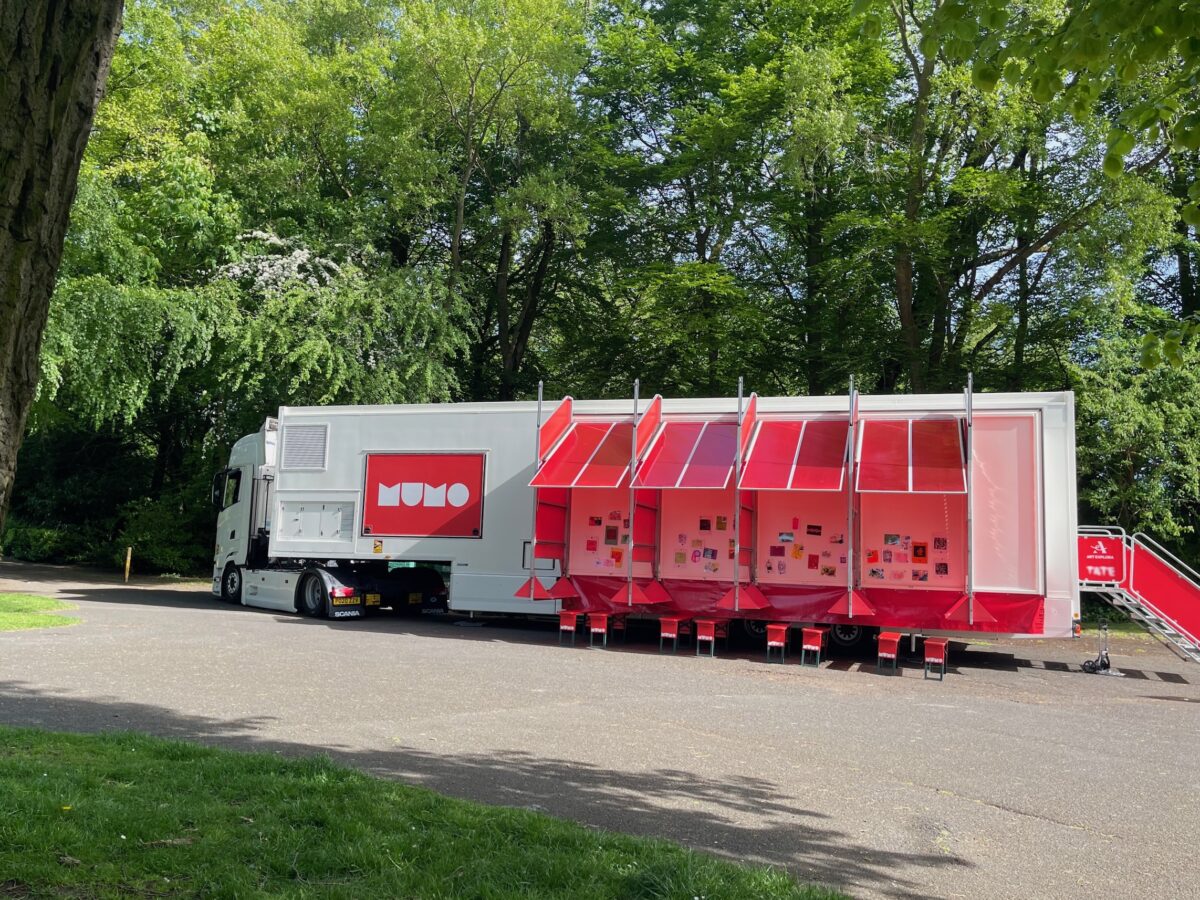
Inaniwa MUMO (Musée Mobile) is a mobile art gallery. It began in France in 2011 with the aim of providing opportunities for people who do not usually visit museums to encounter art, particularly modern and contemporary works. In collaboration with national museums, MUMO exhibits artworks inside a trailer and travels to different regions. Since 2023, with support from Art Explora, a similar initiative has started in the UK in collaboration with Tate. Our project team visited the exhibition held in Wolverhampton (West Midlands, Central England).
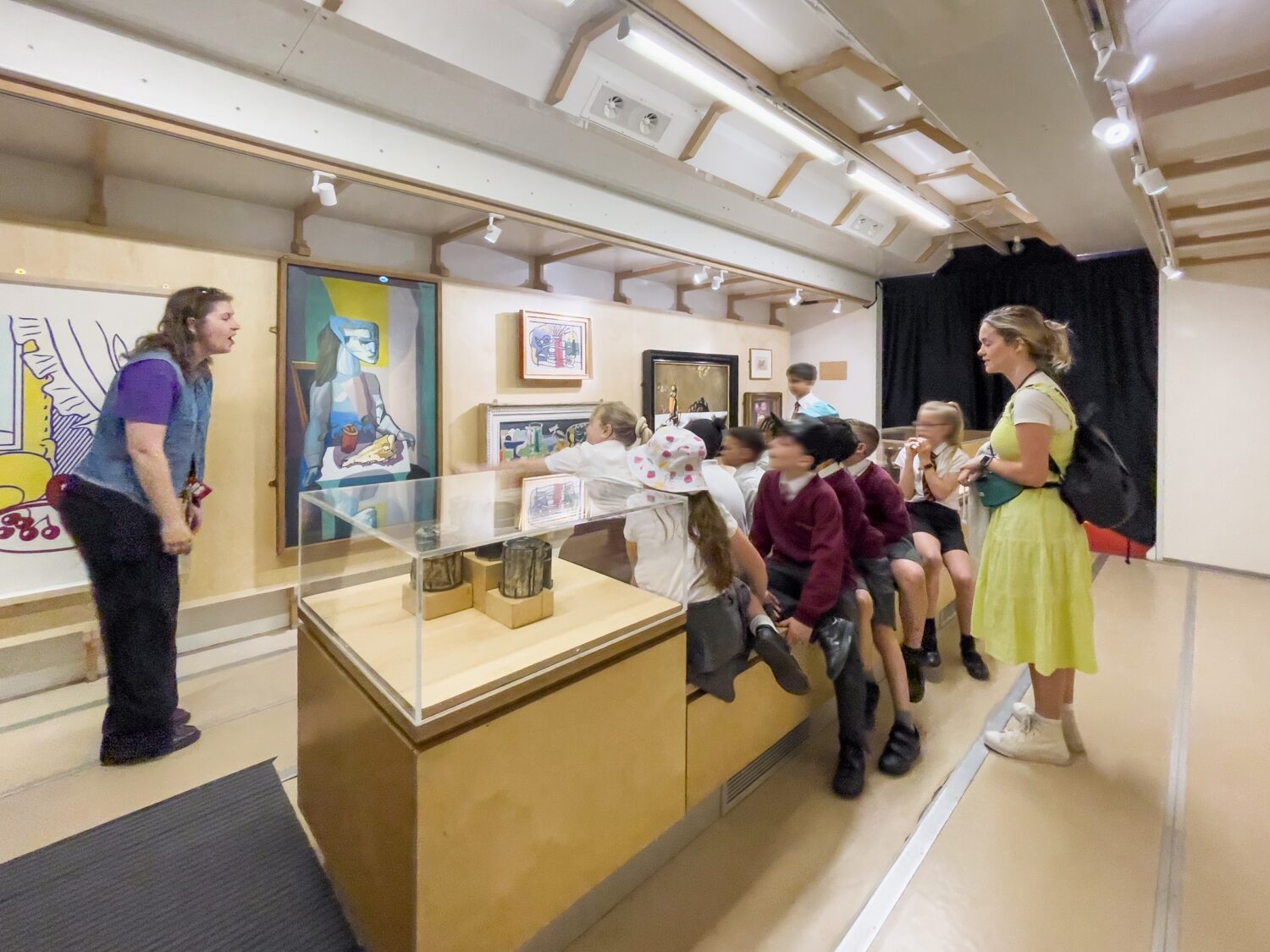
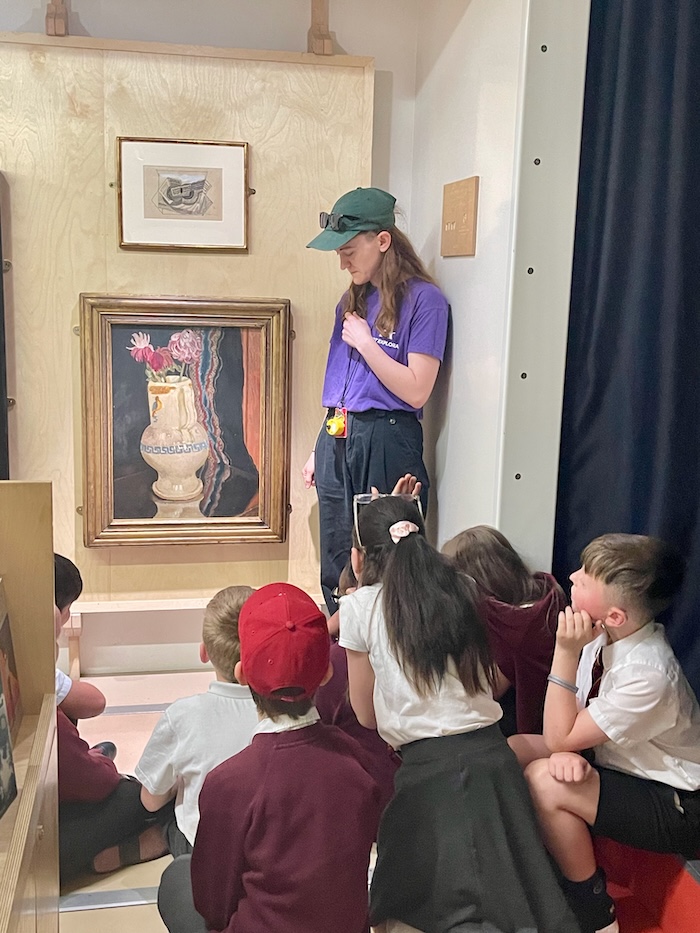
When our project team stepped inside MUMO, what struck us most was the feeling—“It really is a moving exhibition room!” Normally, museum galleries are designed to maintain stable temperature and humidity and to minimize vibrations. Old oil paintings, for instance, are fragile and easily affected by environmental changes, which makes them difficult to manage. Because of this, I expected the trailer would mainly house sculptures or works that could withstand different environments or be reproduced if necessary. To our surprise, however, it displayed a well-balanced selection of authentic museum pieces, including oil paintings over a hundred years old. This was possible because the trailer was equipped with systems to control temperature, humidity, and vibration just like a conventional museum. While mobile museums exist around the world, I feel very few can present collection works with such authenticity and care as MUMO does.
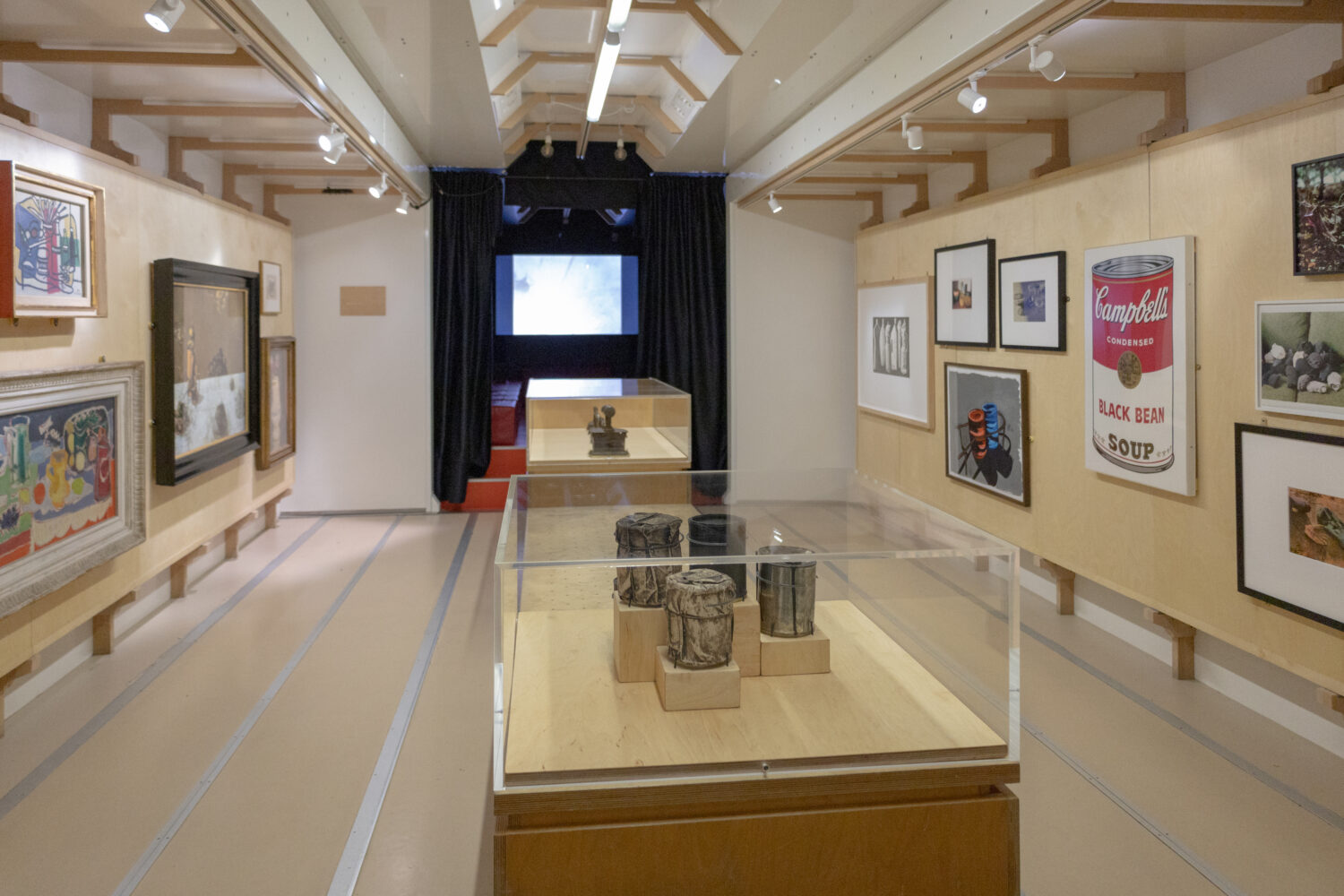
Kiriyama I had imagined something much simpler, but I was amazed to find it equipped to the same standard as a museum. And because it was located in a park, it made the experience feel casual and easy to drop in. I saw a child who had come to play football in the park step inside, still holding the ball. He said it was his first time viewing artworks in a museum, and the facilitator guided him skillfully, tailoring the conversation to his interests. I thought that must have been a wonderful first museum experience for him.
Inaniwa MUMO is set to park within a 20-minute walk from a local school, so on weekdays pupils can easily come on foot as part of their classes. Since the trailer is only about 30 square meters, the entire class can’t go in at once. Instead, about ten students—roughly half the class—first go inside to view and discuss the artworks, while the others take part in a printmaking workshop at a nearby community space, creating works related to the exhibition theme. When their time is up, they switch.
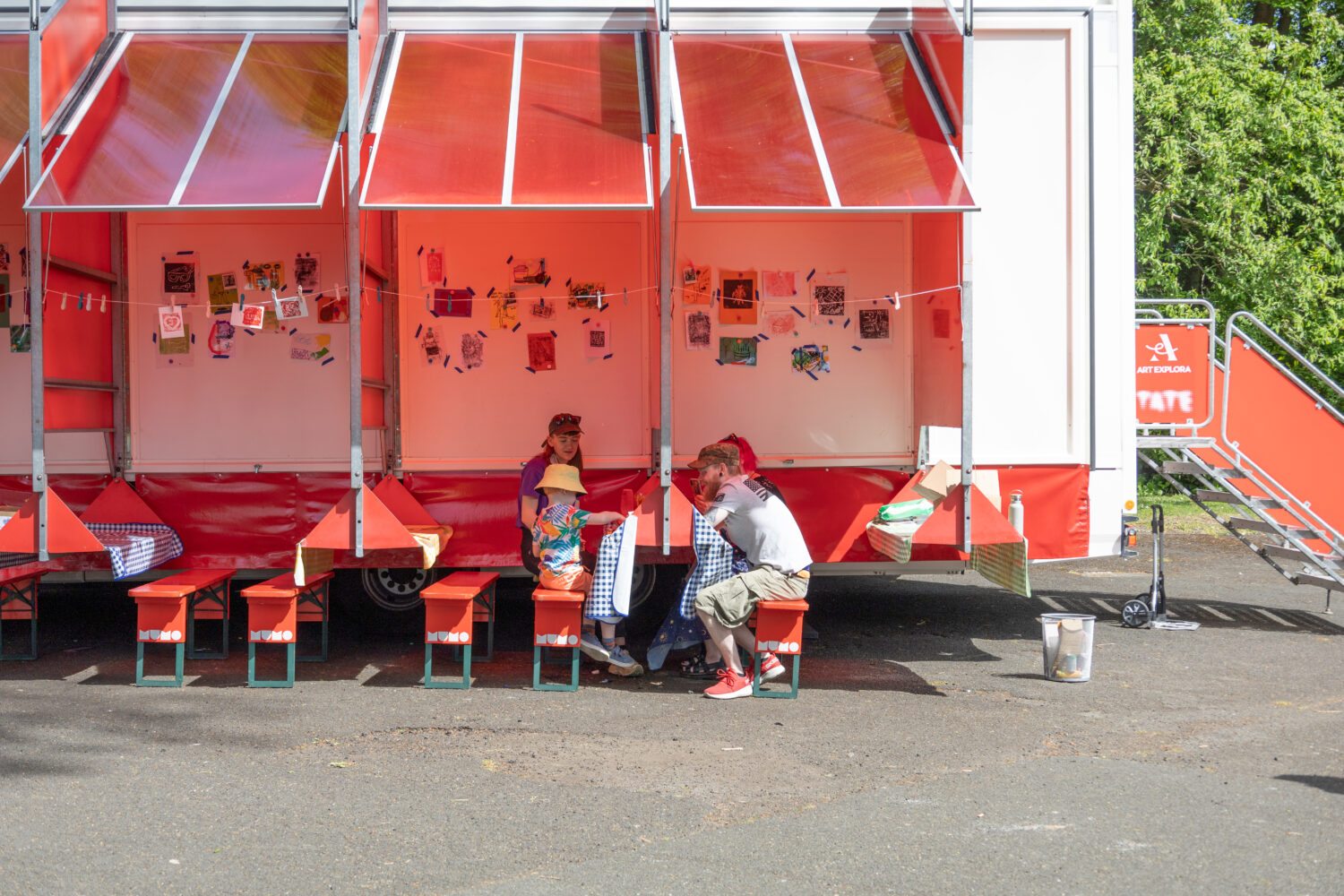
Kiriyama In Japan, the unequal gap in access to cultural activities between urban and rural areas has become a serious issue, and touring exhibitions to regional cities are actively promoted to help bridge that gap. What I found unique about MUMO is their choice of parks as destinations. A temporary museum appears in places where local people usually picnic or exercise, blending in naturally and being warmly embraced by the community. I had never seen anything like it before.
Inaniwa According to research, people who do not visit museums often have a very limited range of daily activities—usually no further than about a 10-minute bike ride from home. If information about an exhibition doesn’t reach into that area, they simply won’t come. Looking at things by city or municipality is still too broad; what’s really needed is a hyper-local approach to communities. That’s why I think traveling to parks in different regions is a really effective approach.
⸻If a mobile museum were to be created in Japan, what would need to be considered?
Inaniwa In Japan, there are a number of hurdles to exhibiting museum collections outside the museum itself. Even before tackling the technical challenges of ensuring proper conditions such as temperature and humidity control, there is a more fundamental barrier: many museums still lack awareness of the need to create access for diverse audiences. I imagine there may be a similar situation in the UK. In Japan, projects that tour museum collections to local facilities have been carried out since the postwar years, but only a few have updated their significance or style to reflect contemporary times. By bringing in new perspectives such as health and care, these projects could reconsider who the collections should reach and how, and refine their approaches to better fit today’s society. If a mobile museum were to be introduced in Japan, I hope it would be designed with content that reaches diverse audiences—taking into account disparities in opportunities for cultural participation and incorporating perspectives of health and wellbeing.
⸻Could you tell us about “Museum in a Box”?
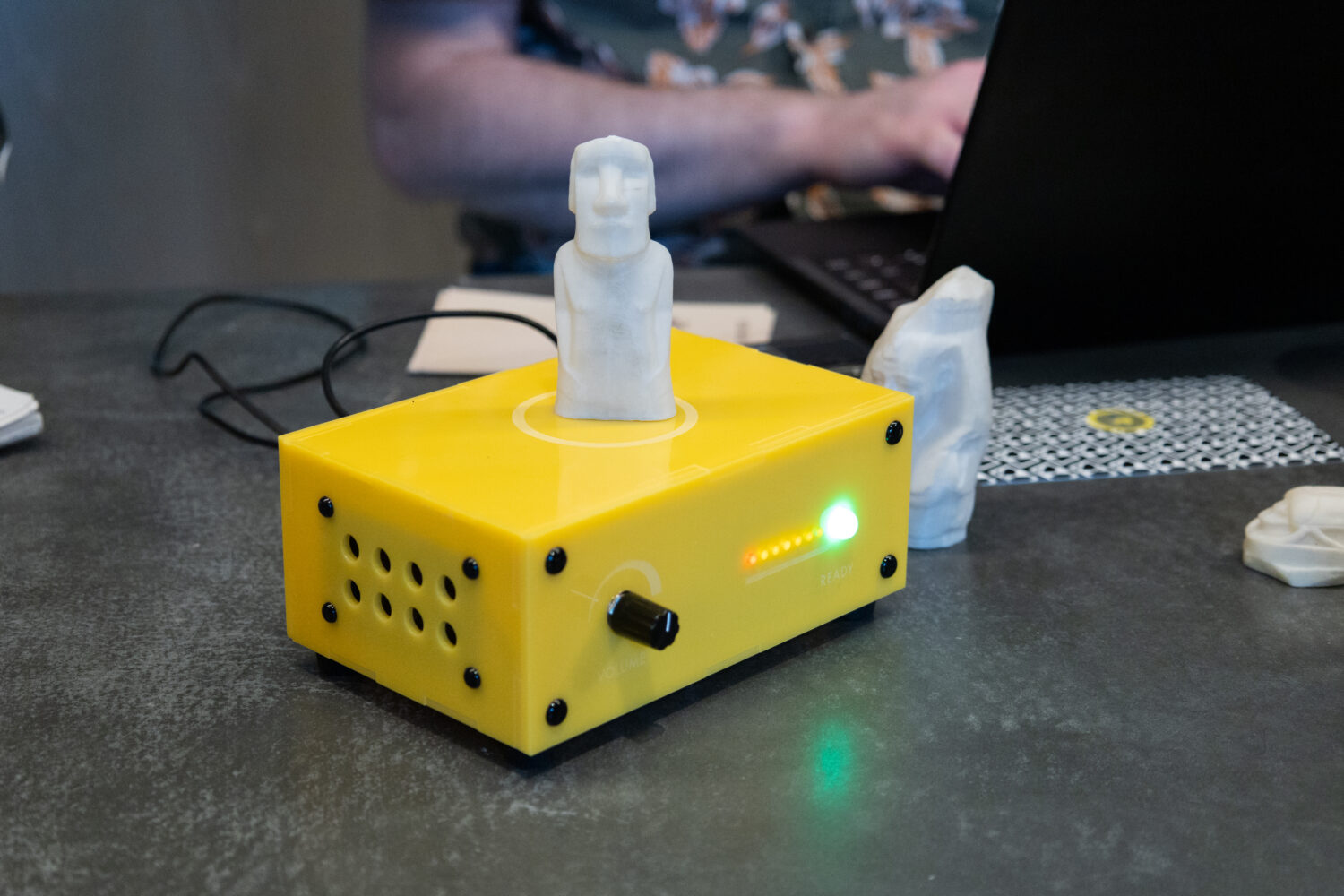
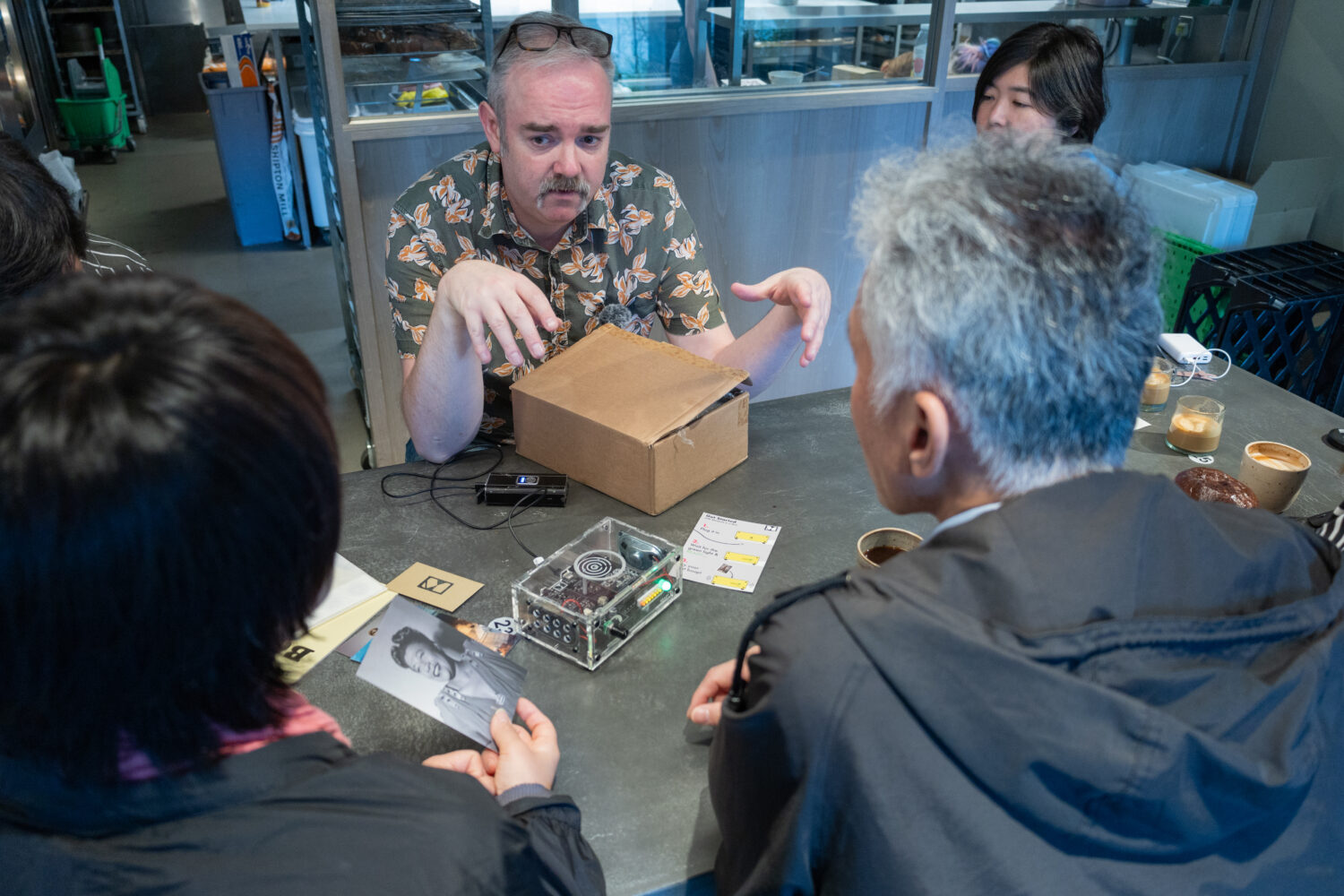
Inaniwa Museum in a Box is a tool that allows museum collection information to be taken beyond the walls of the museum. NFC tags (embedded with IC chips using near-field communication technology) are placed in cards or three-dimensional objects, and when these are held up to the Museum in a Box, the box plays audio, much like a radio. For example, if you place a small replica sculpture on the box, it plays information about the piece; if you place a local historical object on it, you might hear sounds related to that material. Museums in different regions load their collections into the system so the information can be taken outside the museum. It’s lent out to schools and many other facilities, but it seems to be especially popular with care homes. Its playful retro-radio design is also part of the appeal.
Kiriyama The idea that just placing an object on the box makes a sound is simple yet fun, and I think it really works as a spark for communication.
Inaniwa In one exhibition organized by the British Library, local libraries and artists worked together to record oral histories from community residents into the Museum in a Box. Collaborating with artists in this way to bring a local focus felt very close to the idea of Cultural Prescribing—using art and culture to help address unwanted loneliness and social isolation.
⸻If a tool like Museum in a Box were to be introduced in Japan, what might it look like?
Kiriyama Museum in a Box started about ten years ago, so the focus back then was on making it work as a standalone tool. Today, it’s normal to be connected to networks and access all kinds of resources, and even to interact with AI speakers. If we were to develop something from 2025 onwards, it might be good to build in some of those new possibilities.
For example, if you placed a photo of an artwork on Museum in a Box, the AI could ask, “What do you think about this?” and a conversation would begin. If you kept repeating the process, the AI could start to build up experience much like an art communicator, and say things like, “People in other places reacted this way,” or “Some viewers saw it like this.” That would be really exciting.
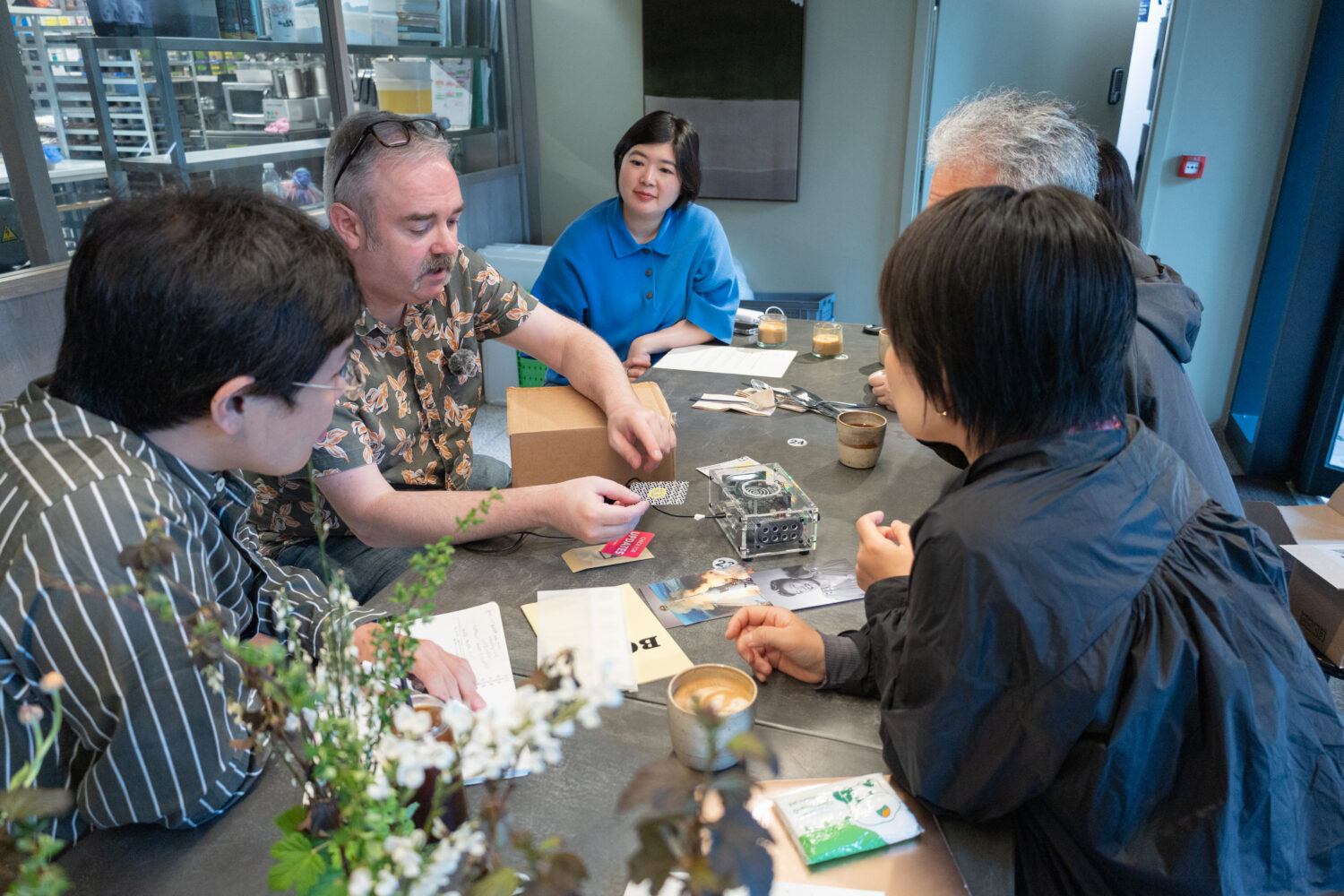
Inaniwa Experiencing art on your own and experiencing it while talking with someone are completely different. I remember when you once observed how art communicators facilitate viewing, you said that today’s AI still can’t replicate that kind of facilitation. What struck me is that there’s still very little research into the skills of facilitators—how they listen, build on dialogue, and weave conversations together. On the surface, a question asked by AI and a question asked by a human art communicator may seem similar, but in fact they are quite different. I’m very interested in exploring what exactly makes that difference.
The same applies to Museum in a Box. The idea of placing something on a device and having it play a sound isn’t cutting-edge technology—it’s actually very simple. But when it’s right in front of you, you feel like trying it, and people gather around. Why is that? What is it that people find engaging? What kind of touchpoints make them feel it as their own experience? I’d like to keep exploring those questions and, based on that thinking, imagine new ways the idea might evolve.
⸻Could you tell us about the “Platt Hall Inbetween” project in Manchester?
Inaniwa To give some background, Manchester is a city that has been particularly committed to creative health—creative approaches and activities that support people’s health and wellbeing. The turning point came in 2010, when the World Health Organization (WHO) launched an international network of municipalities working to become Age-friendly Cities. Manchester was one of the first to step forward, with the belief that improving access to culture and the arts can not only enrich lives but also help address health inequalities. Guided by this conviction, the city has developed internationally pioneering initiatives in this field. The local authority, universities, art galleries, and other public-sector bodies have joined forces to create a collaborative platform, which in some ways resembles our own ART-based Platform for Co-creation as a research and development initiative linking government, academia, and culture.
Among the many examples we learned about, the initiative that I found most valuable from the perspective of cultural prescribing was the work being carried out at Platt Hall, a branch of Manchester Art Gallery.
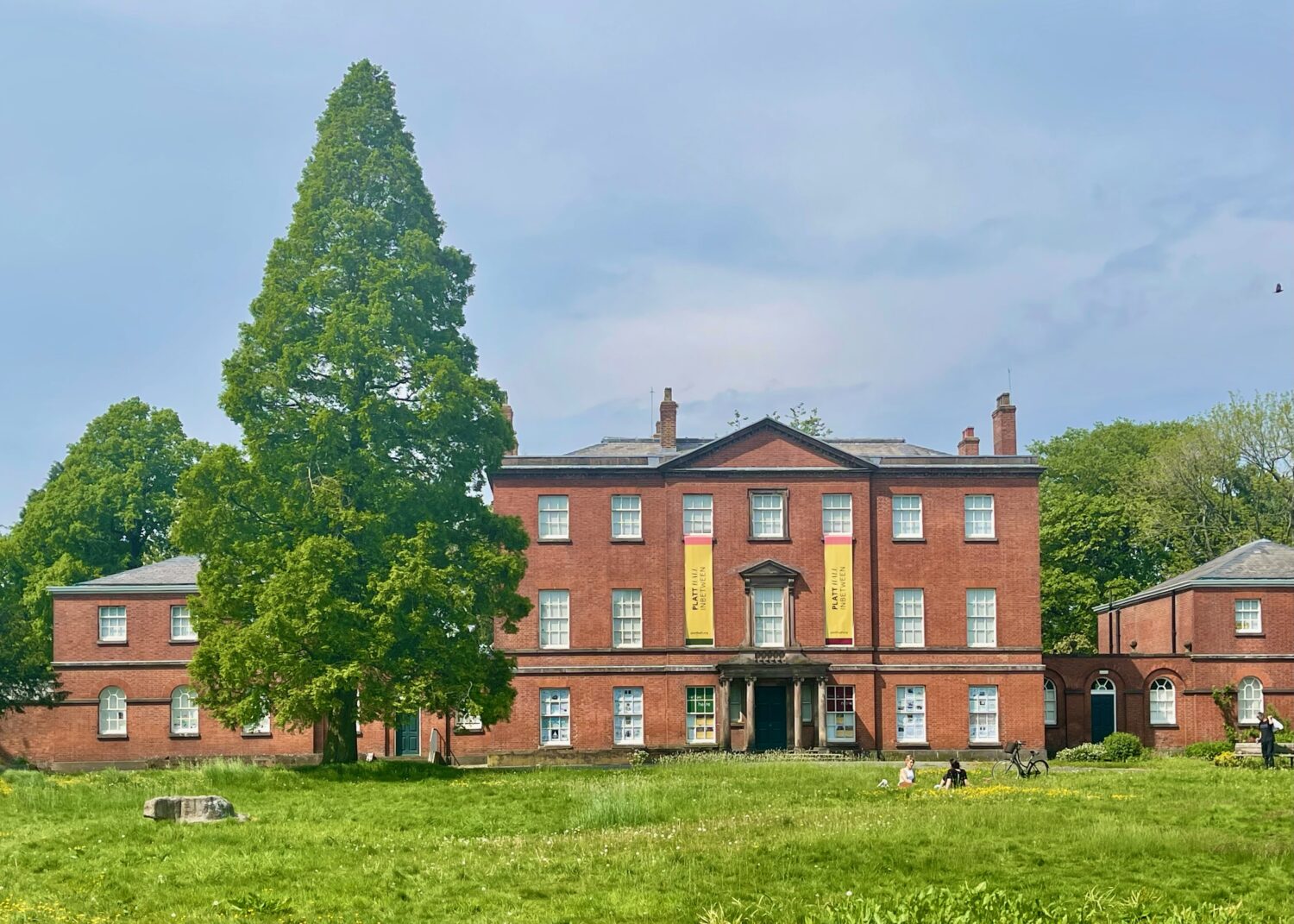
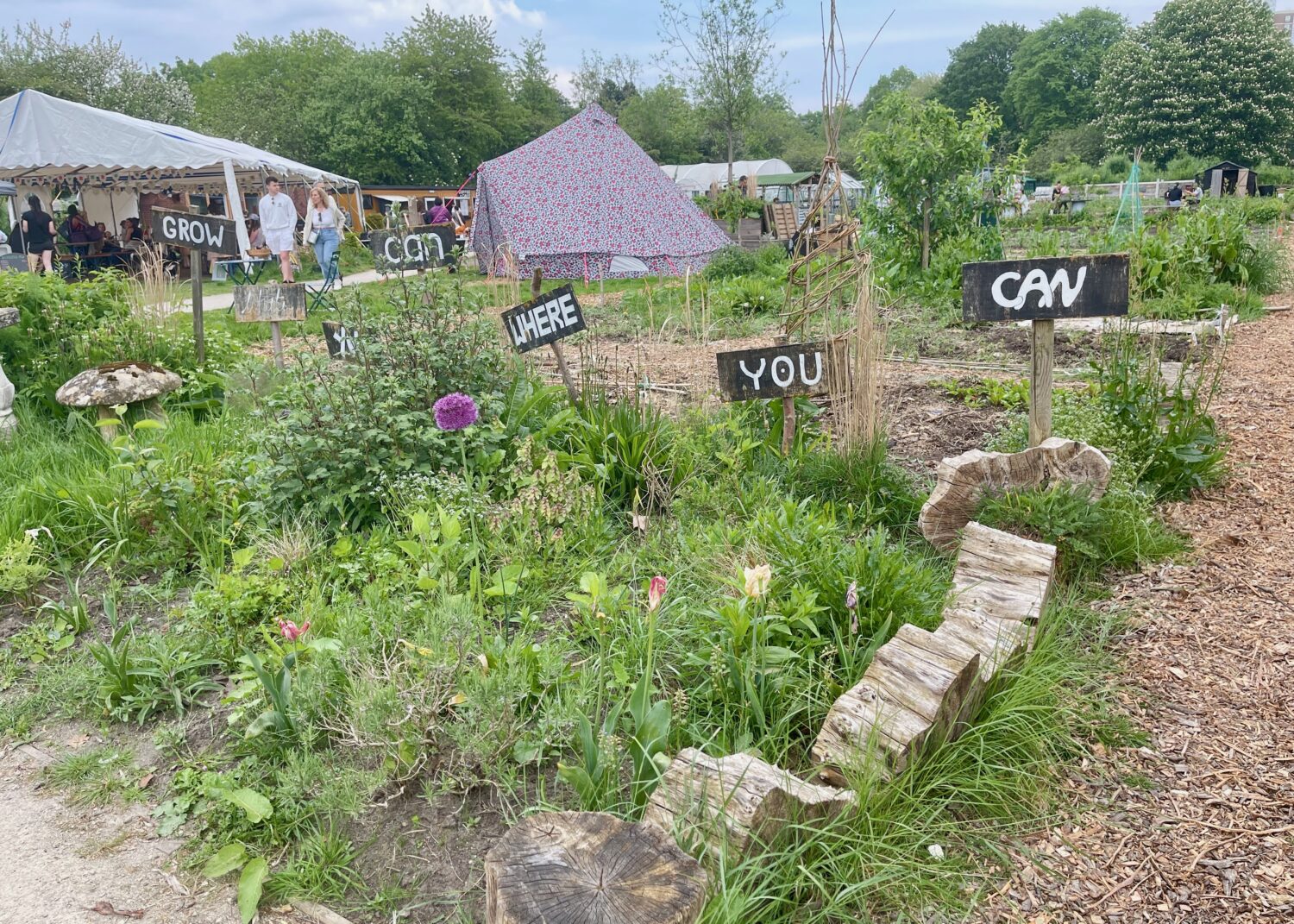
Kiriyama Platt Hall was originally a costume museum with almost a century of history, but after a combination of factors it was closed and has now been transformed into a hub for cultural prescribing activities. I was struck by the boldness of turning a closed museum into a community hub for local residents.
Inaniwa In Manchester, general practitioners (GPs)—family doctors who provide comprehensive care for local residents—can issue not only medical prescriptions but also social prescriptions. With these prescriptions, patients consult with health and wellbeing coaches to find ways of engaging with local people and places, and Platt Hall is one of the destinations they can be referred to.
For example, patients at risk of developing diabetes may be encouraged to join a program where they walk through the park, view Platt Hall’s collections, and take part in conversations. The program also includes time for doctors to share information related to health and medical care, but it always makes sure to provide social opportunities that foster connections with the community. This is crucial, because statistics clearly show that unwanted loneliness and isolation can accelerate chronic conditions such as diabetes.
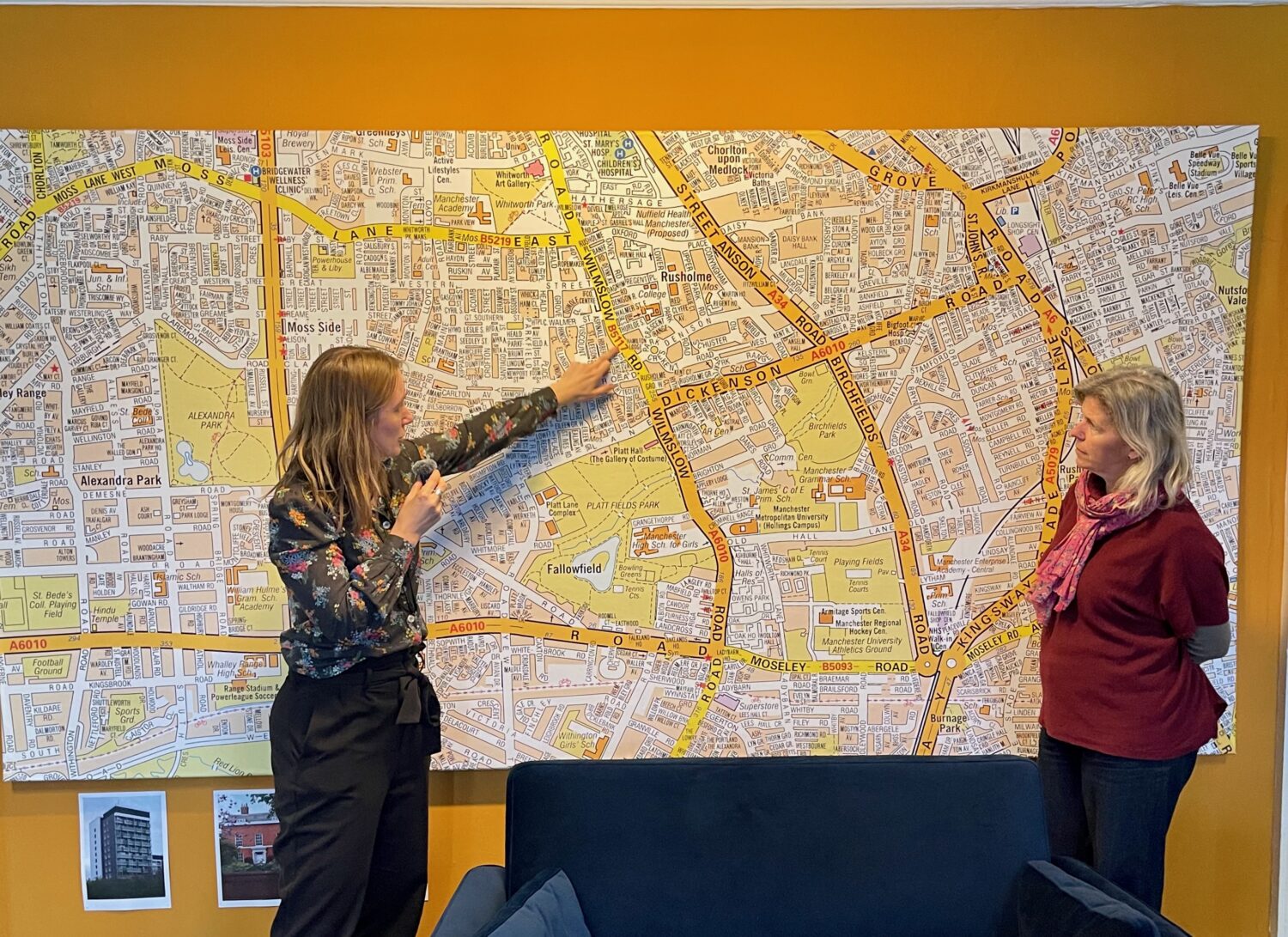
Inaniwa At Platt Hall, local volunteers take care of the gardening, and patients sometimes join them. Their activities are wide-ranging—for example, creating spaces where parents and children without a place in the community can come and play, or offering programs for immigrant families. An important feature is that professionals from the welfare and health sectors, such as nurses, also take part.
⸻Do you think a similar kind of initiative could work in Japan?
Inaniwa Japan’s healthcare system is different, so it cannot be replicated in exactly the same way, nor is Japan aiming to establish the same structure. In the UK, with an aging society and rising social welfare costs, they are exploring how best to allocate limited social resources, and social prescribing is one such approach currently being tested. Healthcare in the UK is built around primary care—a comprehensive approach that begins with the patient’s wishes and looks at both body and mind—together with team-based healthcare. There seems to be a shared recognition that without bringing together expertise and knowledge from a range of fields and working as a team, it will not be possible to overcome the challenges they currently face.
Inaniwa What Japan can learn from the UK is the way different sectors are increasingly collaborating in the field of health and wellbeing while respecting each individual’s own choices and sense of agency. In Japan, two new laws enacted this year—the Basic Act on Dementia to Promote an Inclusive Society and the Act on the Advancement of Measures to Address Loneliness and Isolation—make clear the importance of promoting measures not only within the departments directly concerned but across society as a whole. It seems clear that these developments have drawn on examples from the UK, which has been a leader in this field. I think we are now entering a time when we need to start thinking in concrete terms about how museums can play a role within this framework.
⸻Finally, could you share your impressions and reflections from this research visit?
Kiriyama What I found interesting in Manchester was that it was not the government taking the central role, but rather the university and university museums leading the way. They brought together experts from a wide range of fields, including healthcare and art, under the banner of “Creative Manchester,” and those experts participated in many different ways. I felt there was a strong sense of potential for the framework to broaden and evolve further.
The various examples we observed, such as gardening therapy, could certainly be developed as forms of cultural prescribing within our ART-based Platform for Co-creation. On the other hand, when it comes to building the underlying systems, I felt it would take time, as this inevitably involves the health insurance framework and medical systems. In Japan, the approach being advanced by Dr. Nishi Tomohiro—integrating cultural elements into community-based initiatives—may be one effective model. Personally, I would like to see technology incorporated into this, though not in a way that makes it the main focus. Even modest uses of technology could add an element of fun and visibility, or provide the infrastructure to support such activities.
Inaniwa In the UK, I felt that the idea of museums contributing to wellbeing has become quite well established, with a wide range of activities already in place. The notion that the arts and cultural activities can connect to wellbeing and care has always been embedded in their very essence, so it can be seen as a natural extension of their role. In Japan, however, such initiatives are still relatively few in number.
However, the COVID-19 pandemic brought the issue of unwanted loneliness and isolation into sharp focus, and even in Japan there is now increasing discussion about what art and culture can do to address this. In Asia, ideas such as “ishoku dogen”—the belief that medicine and diet share the same origin—reflect an inherently holistic way of thinking about health. Building on these distinctly Asian perspectives, we can explore how art and cultural activities can contribute to wellbeing, and eventually share such examples both within Japan and internationally. Through the key concept of cultural prescribing promoted by our ART-based Platform for Co-creation, I hope we can continue to shape and explore a uniquely Japanese approach to creative health.
Related articles on creative health:
https://aatomo.jp/en/artistic-activities-health-wellbeing/
Related articles on Platt Hall:
https://aatomo.jp/en/platt-hall-inbetween/
 KEYWORD for Cultural Prescribing! "Creative Health" What does it mean?
 KEYWORD for Cultural Prescribing! "Cultural Prescribing and Social Prescribing" What do they mean?