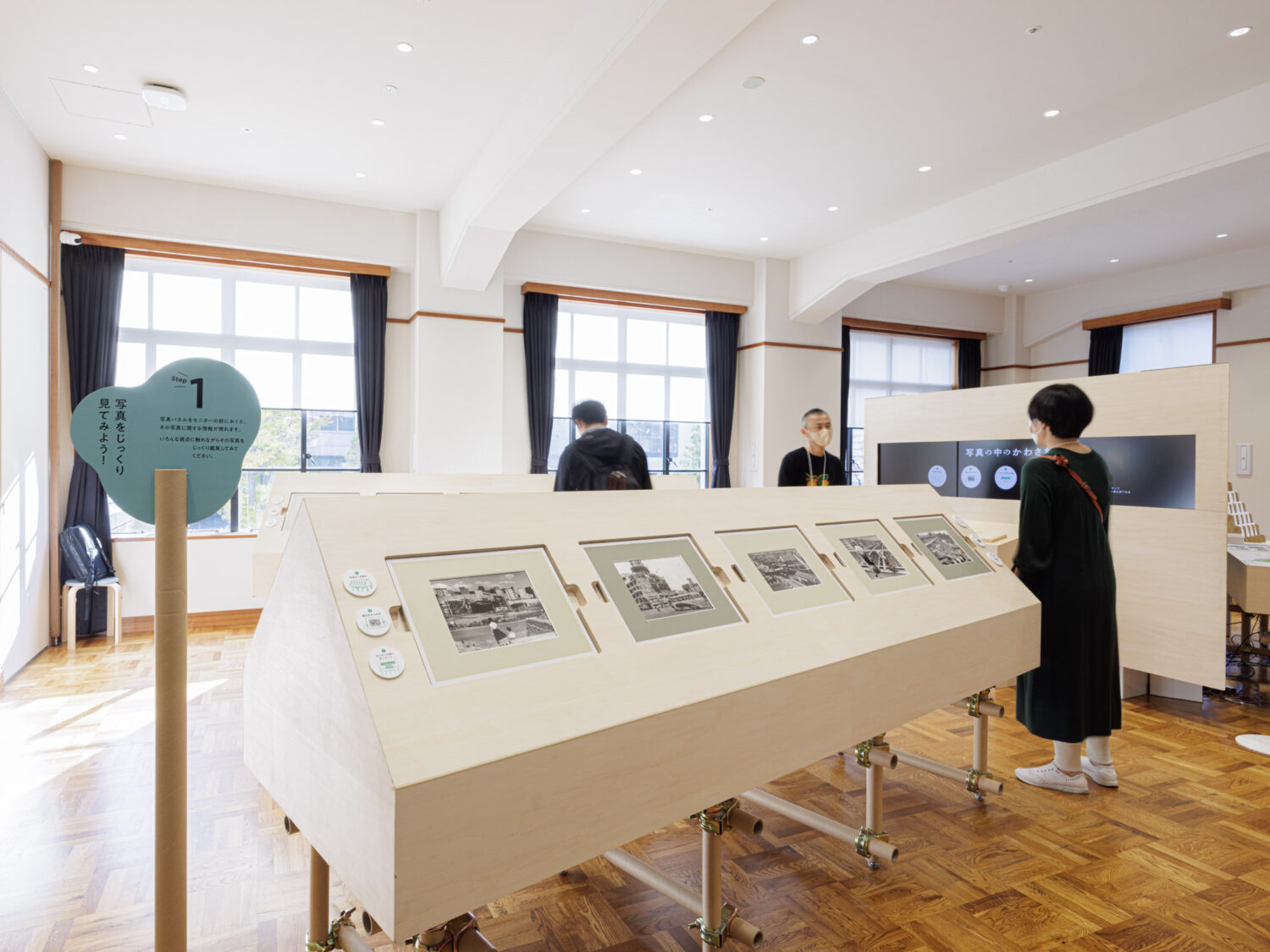
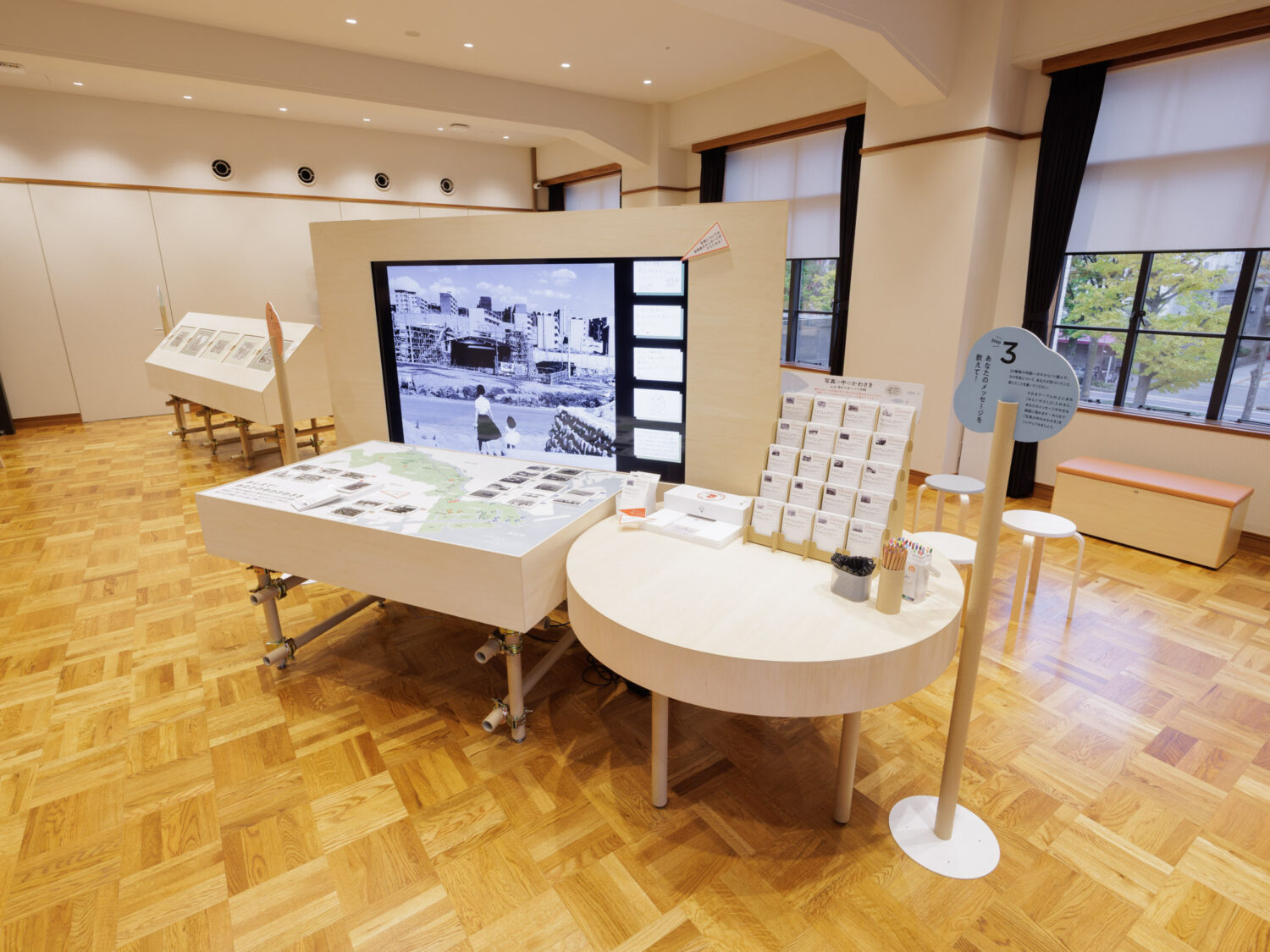
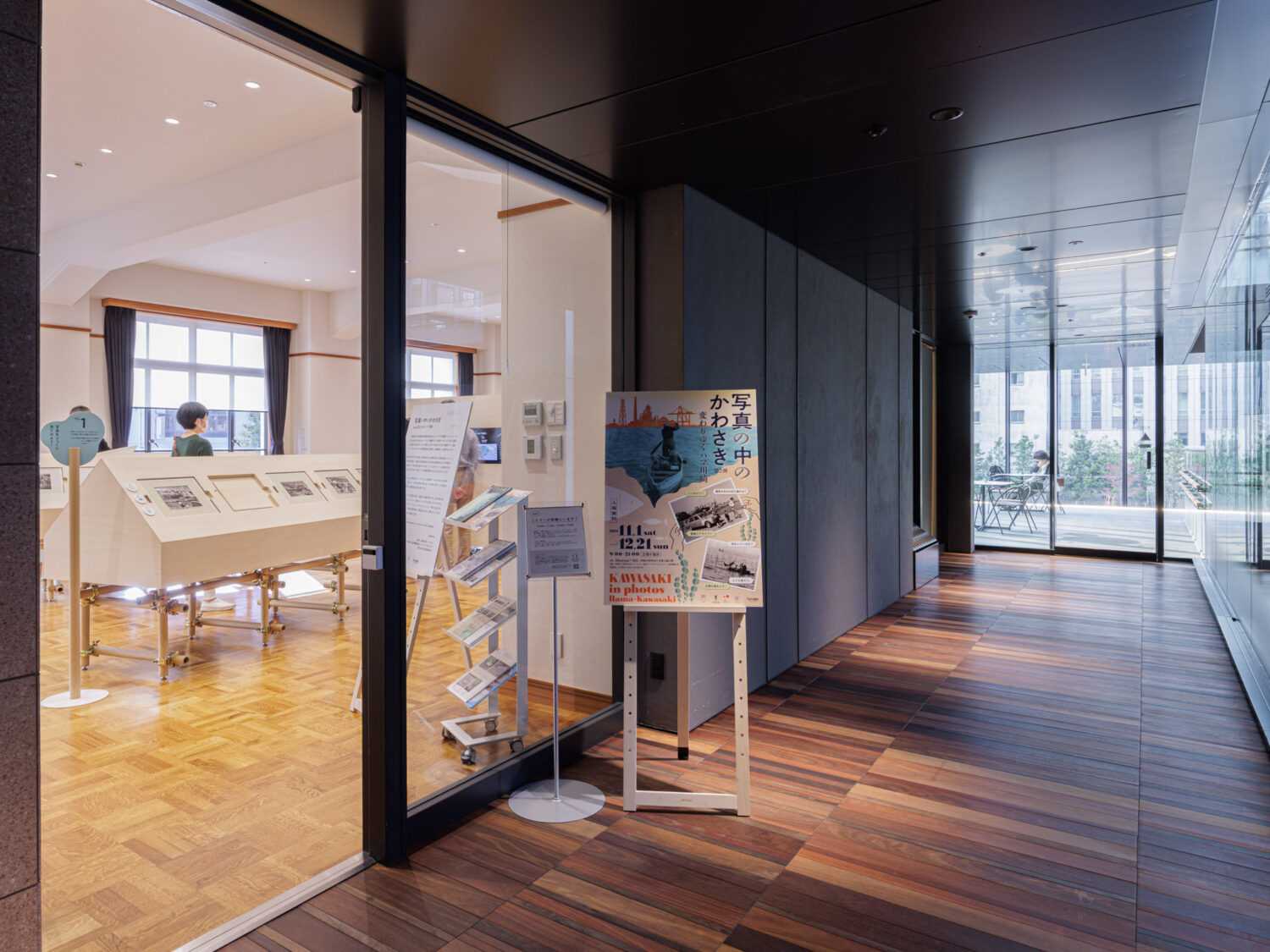
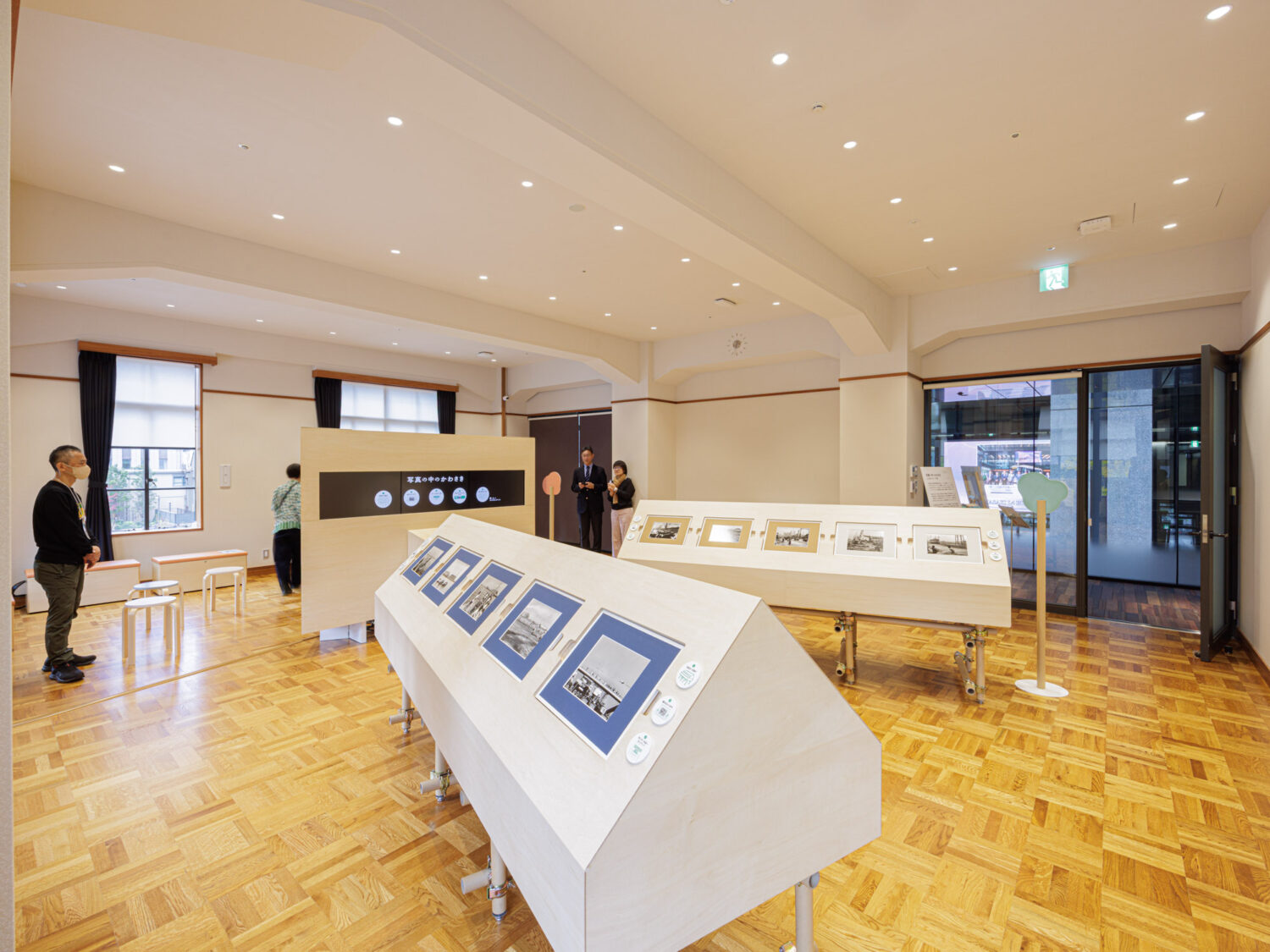
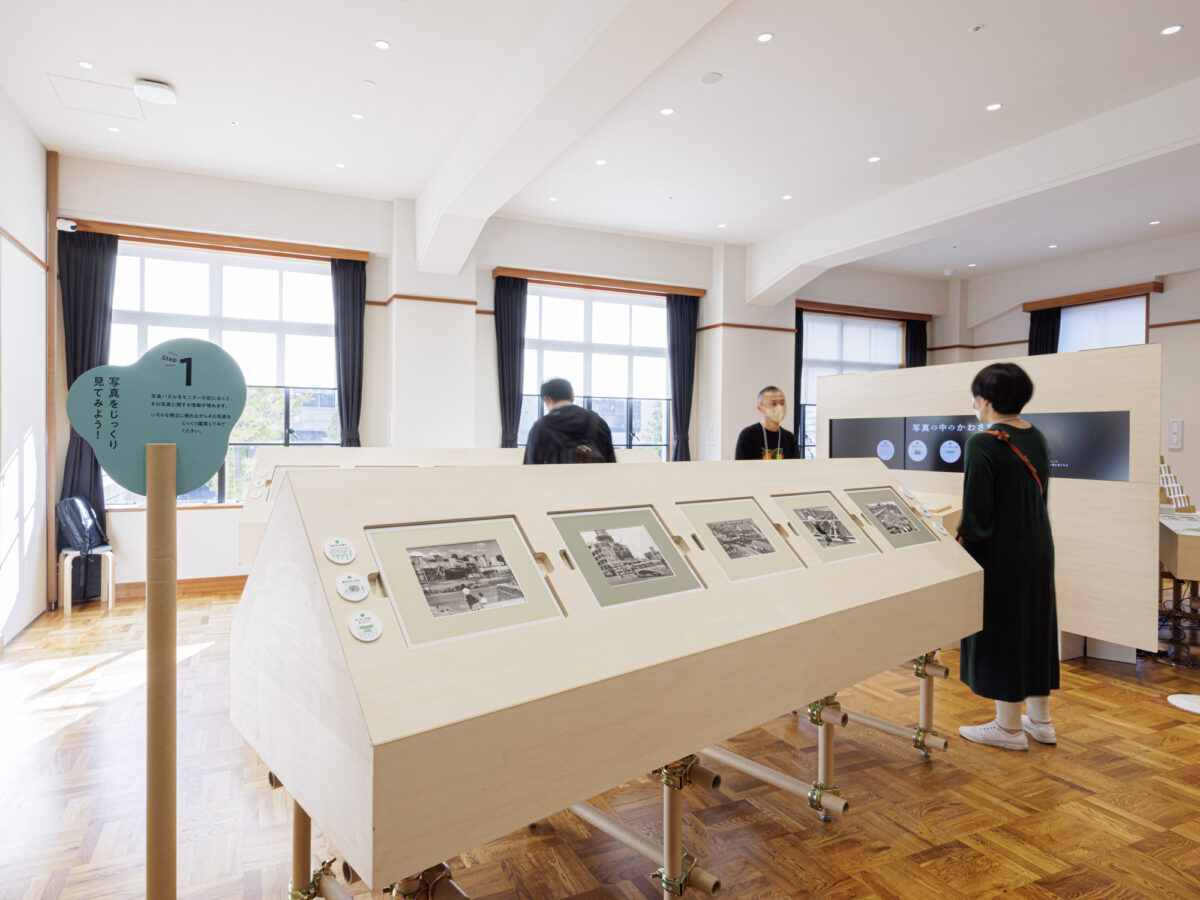
The first “KAWASAKI in Photos” exhibit was held at the Kawasaki City Hall in November 2024. Following the Osaka-Kansai EXPO in August 2025, the second installment, “KAWASAKI in Photos: Hama-Kawasaki in Transition,” opened in November 2025. The exhibit continues to evolve with each iteration, featuring interactive elements such as a system where visitors can pick up displayed photographs and place them on a special stand to view related information, as well as a feature allowing visitors to leave comments on the photos. We spoke with Tokyo University of the Arts’ Professor Kiriyama Takashi, who oversaw the technical aspects of the exhibit, to learn about the objectives behind these innovations.
From Paper to Digital: The Evolution of Collecting Comments
Editorial Team For this exhibit, “KAWASAKI in Photos, Part 2: Hama-Kawasaki in Transition” (November–December 2025), the method used to collect comments from visitors was quite unique, wasn’t it?
Kiriyama For the previous “KAWASAKI in Photos” exhibit (November 2024–January 2025), we had visitors write their impressions on sticky notes and attach them to a map of Kawasaki City. While this was intuitive and effective in its own way, it presented the challenge that as the number of sticky notes increased, they would physically overlap. To resolve the overlapping issue, someone had to regularly organize and remove the sticky notes, so we decided to take it a step further for this exhibit.
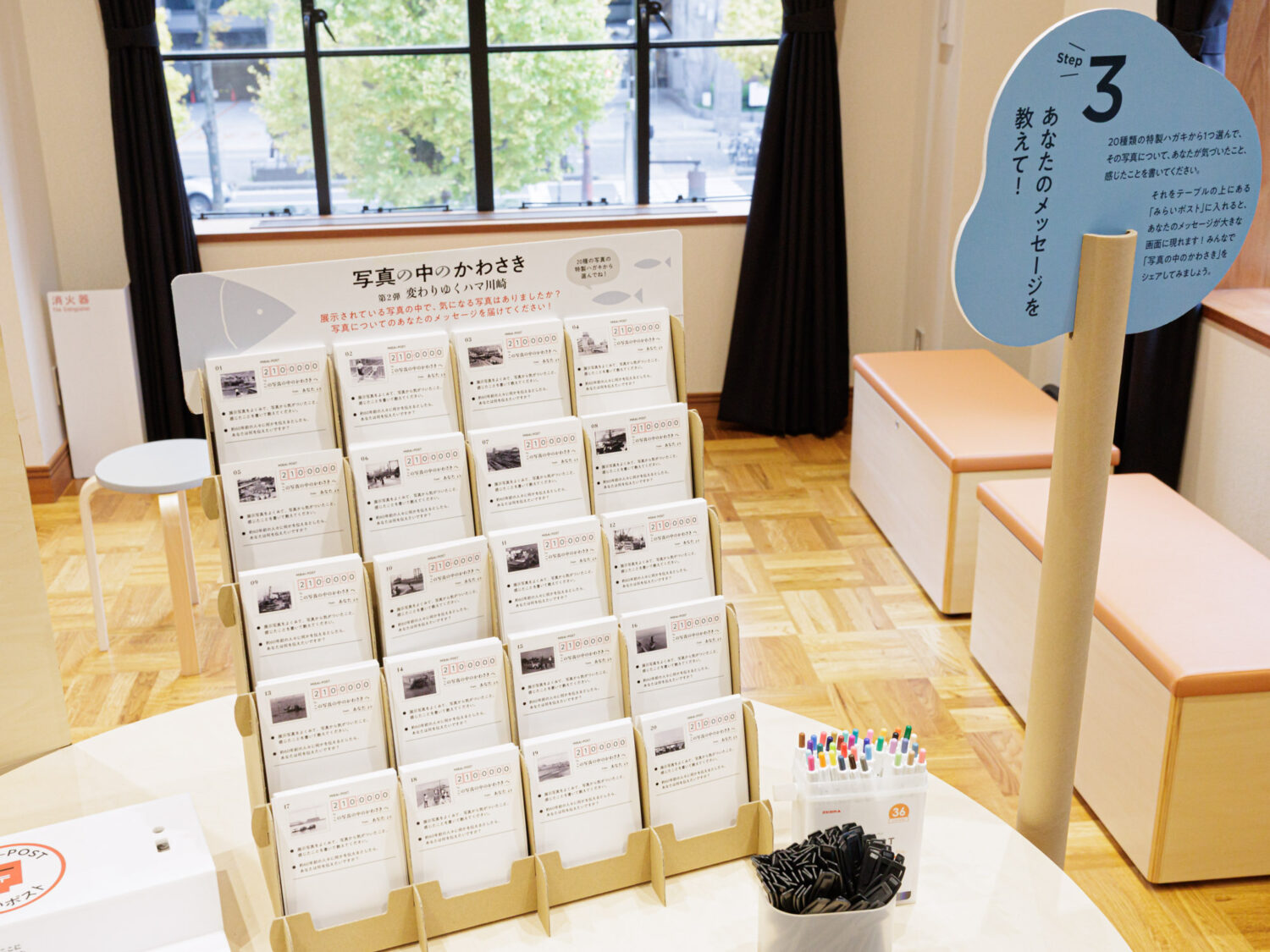
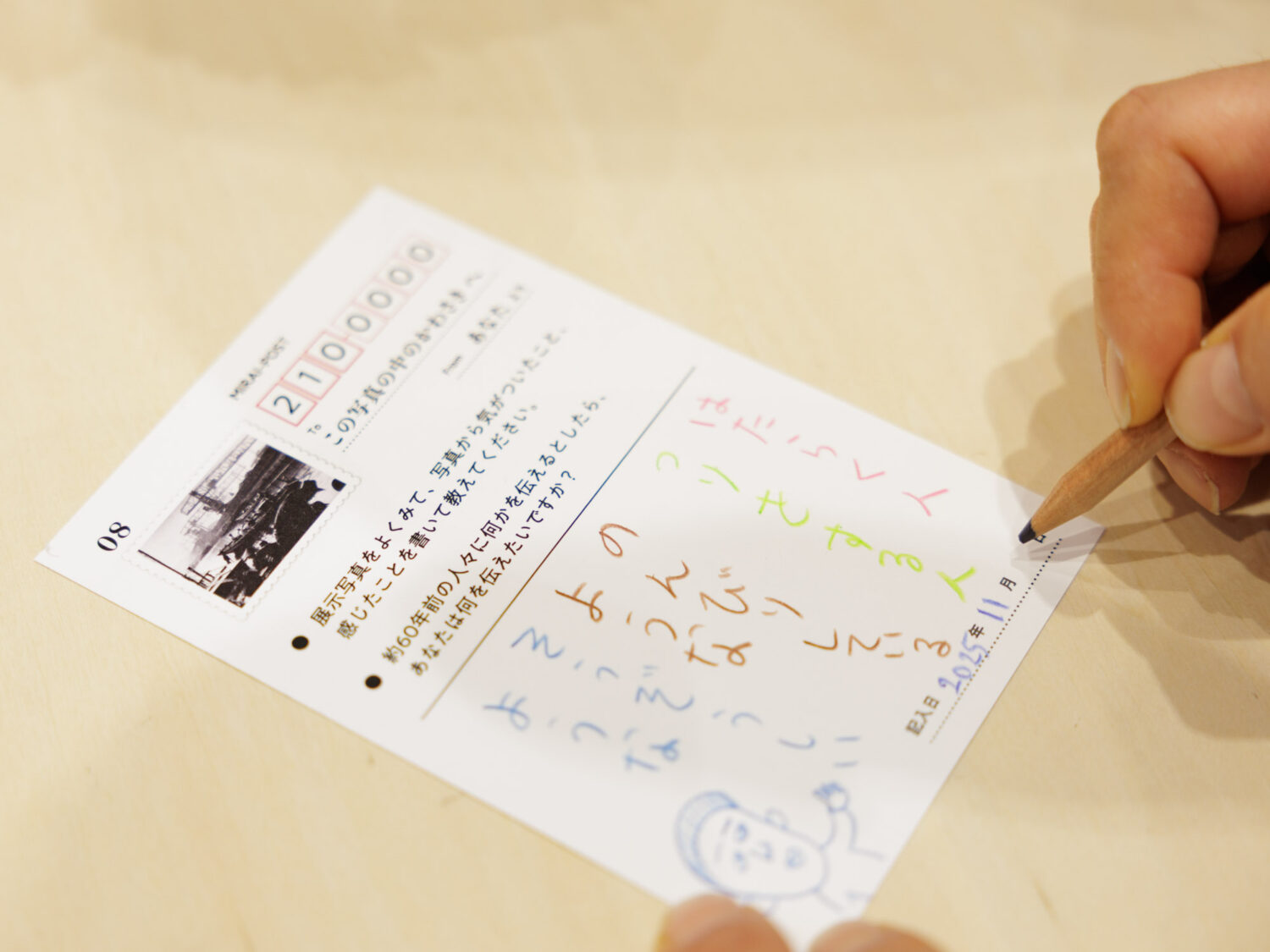
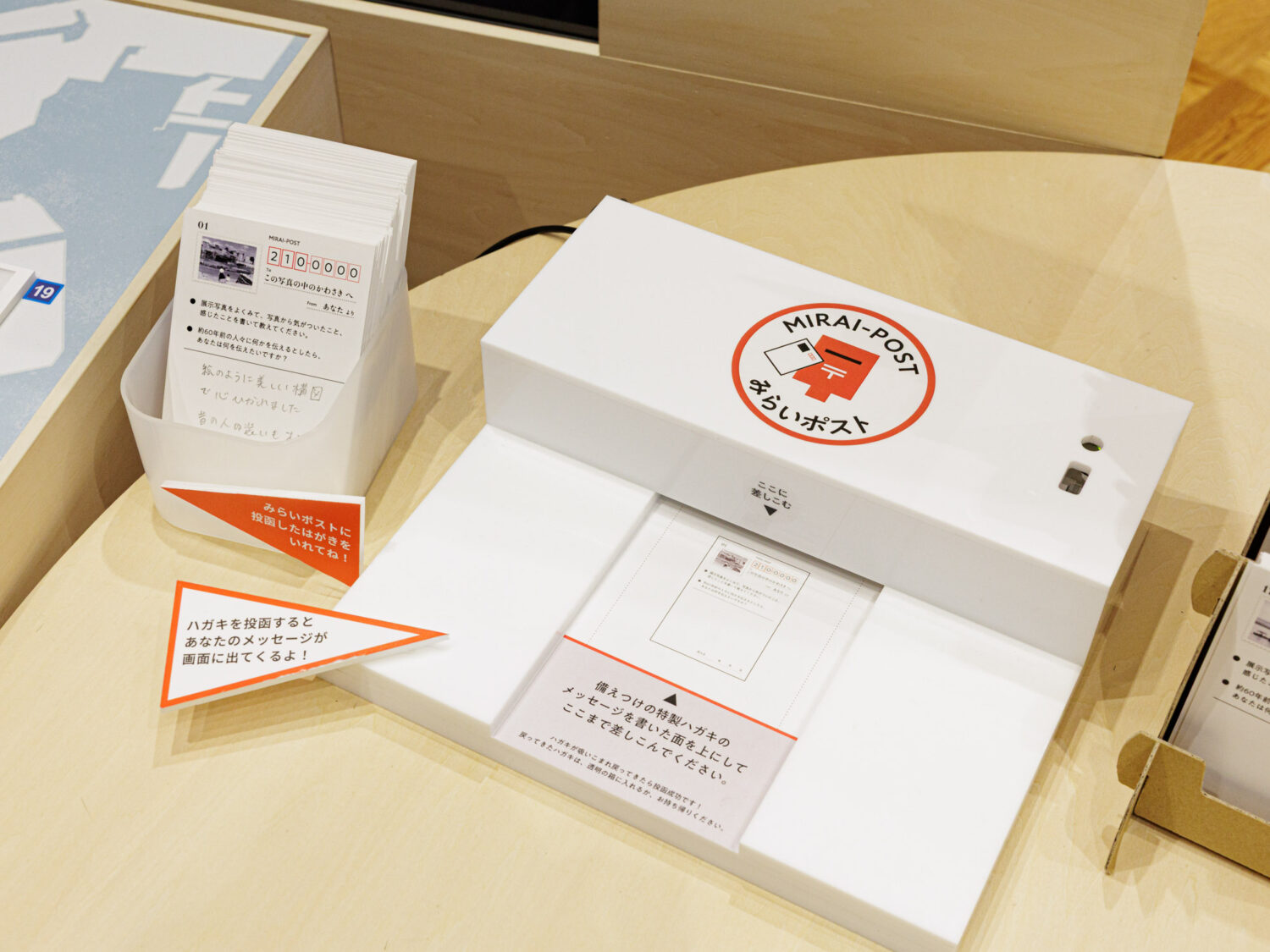
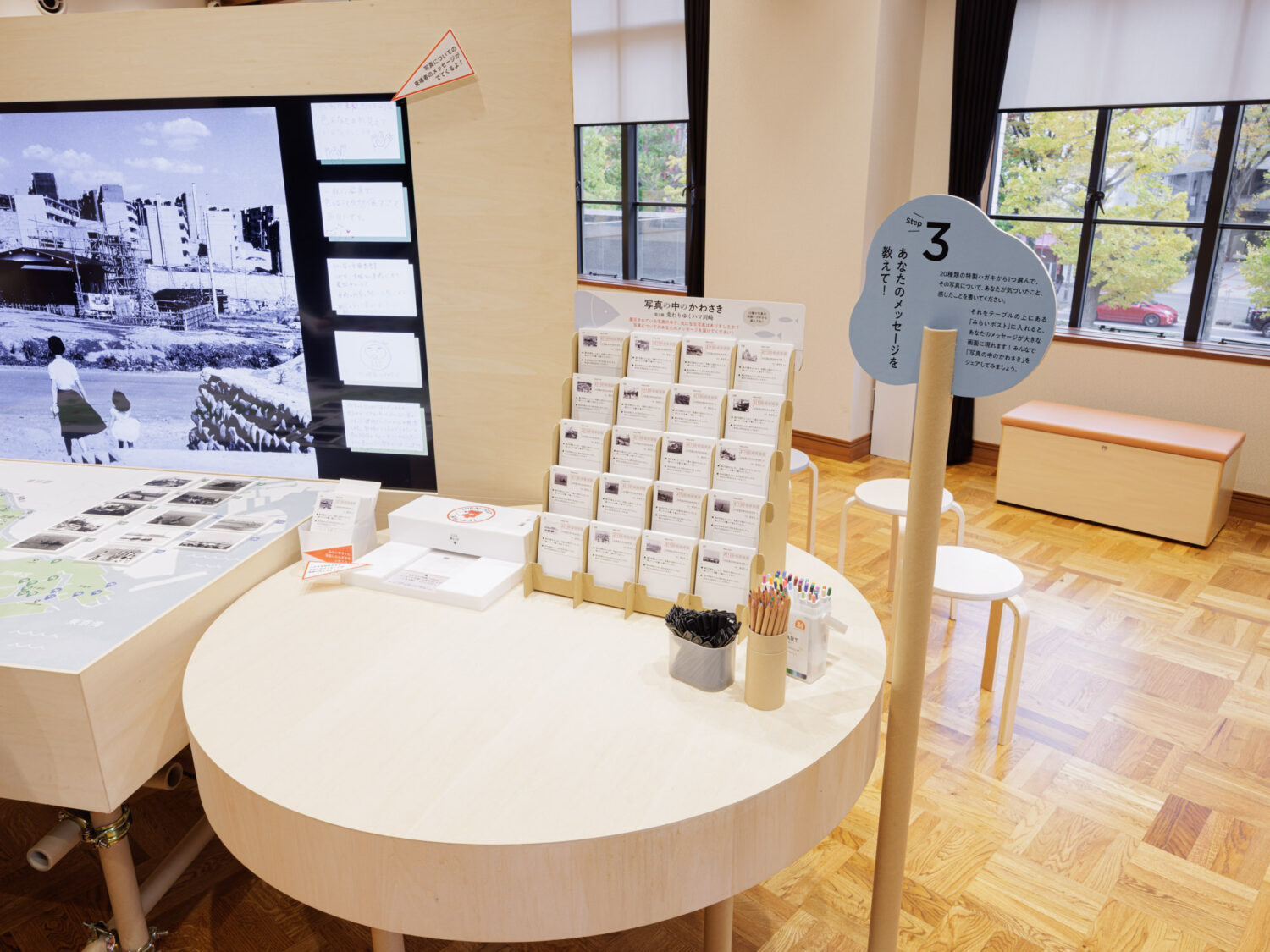
This time around, we prepared “postcards” that send a message back in time to approximately 60 years ago, when the displayed photographs were taken. When you write a comment on the postcard and drop it into the “Mirai Post” box with a built-in scanner, your comment is scanned. The postcards contain NFC tags (devices embedded with small IC chips capable of wireless communication), which identify which photograph your comment refers to. The system is designed so that every time a postcard is dropped into the box, a new comment appears next to the photograph on the monitor.
We developed the exhibit’s communication design, which creates opportunities for visitors to engage with the exhibit space such as by leaving comments, through collaborative discussions with the National Center for Art Research. When visitors view the exhibit and write comments about the photographs, they are able to leave their personal thoughts, knowledge, and experiences. Other visitors then see these comments and write their own, creating a chain of expression. Writing comments also naturally encourages visitors to look closely at the exhibits. That is why we place such importance on this mechanism, which allows visitors to express themselves through their comments.
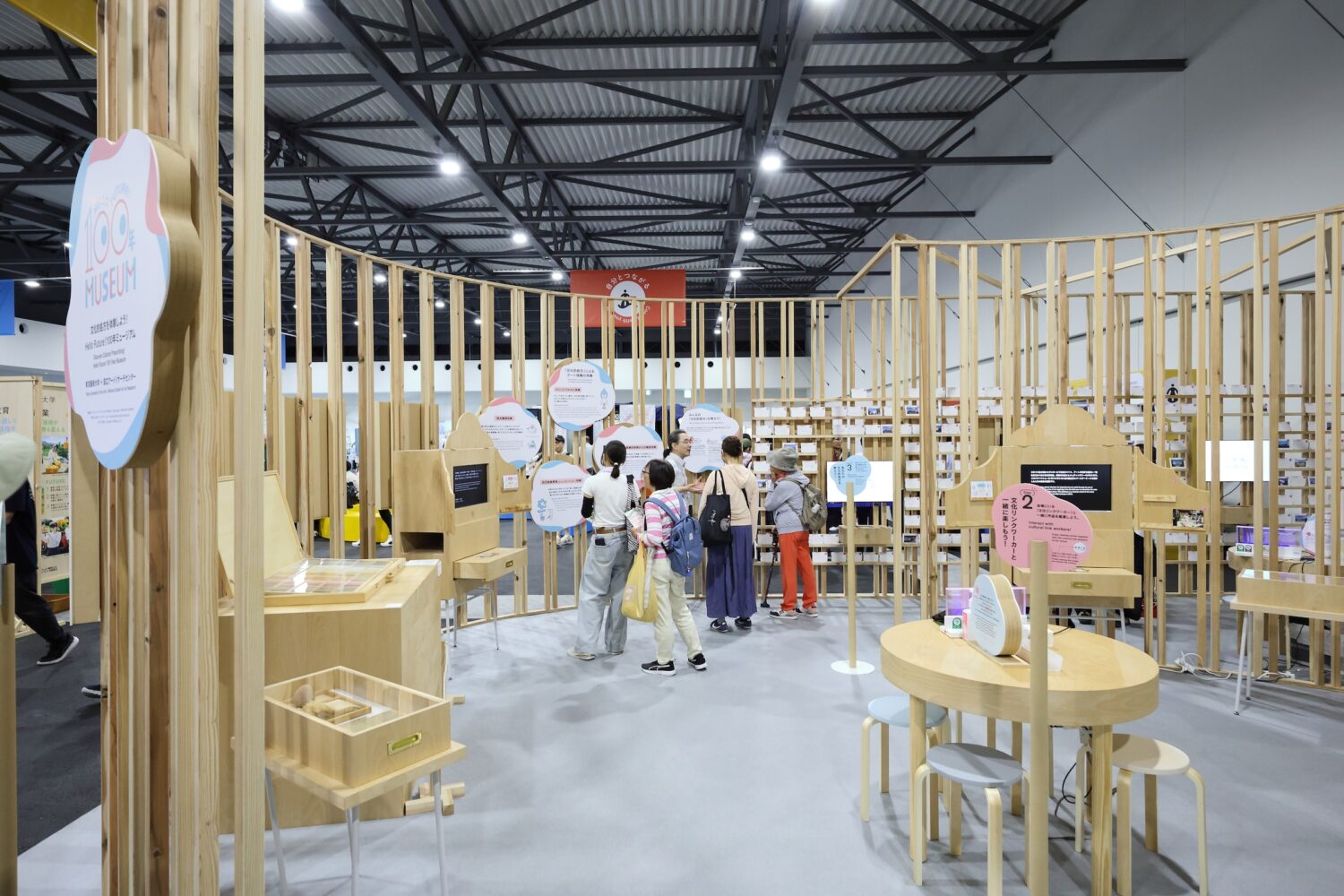
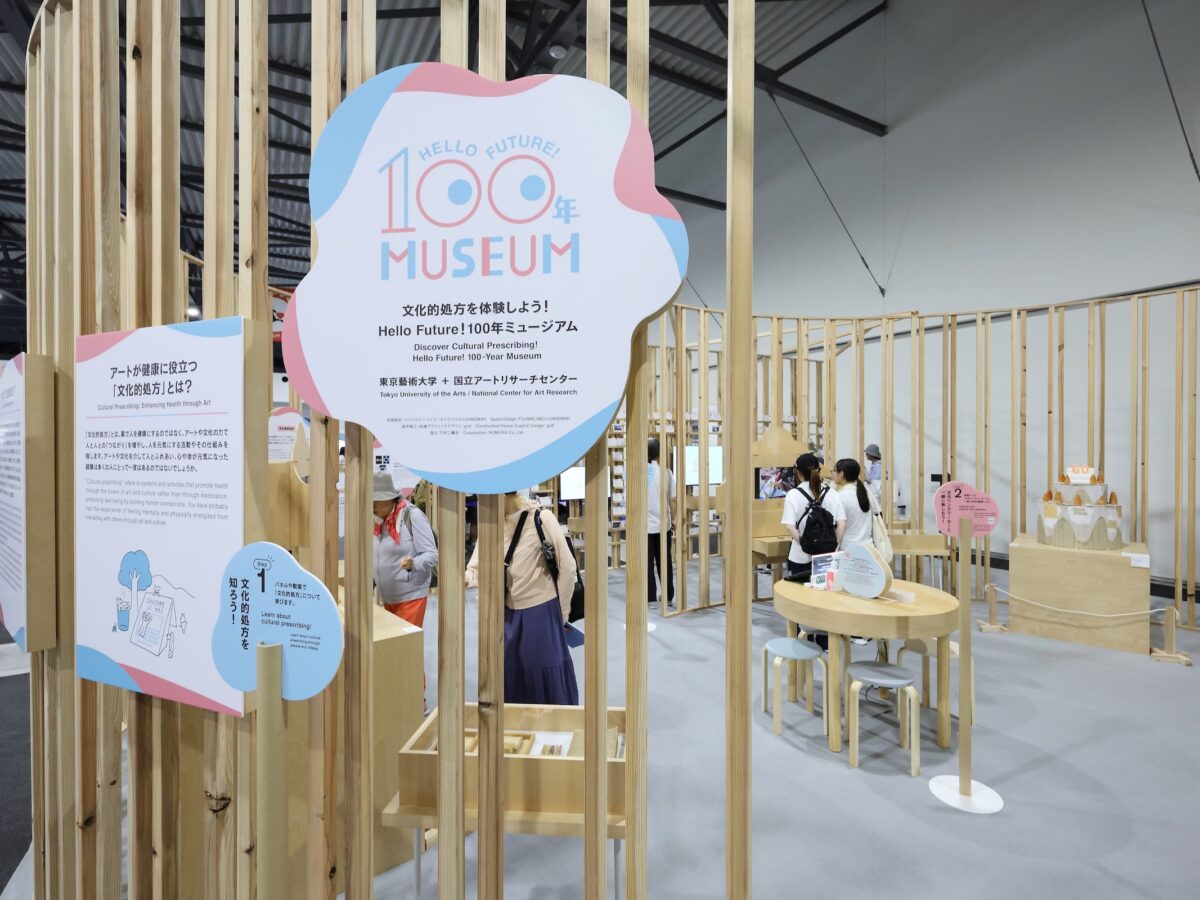
Scenes from “Hello Future! 100-Year Museum” at EXPO 2025 Osaka-Kansai (Photo by AYAMI)
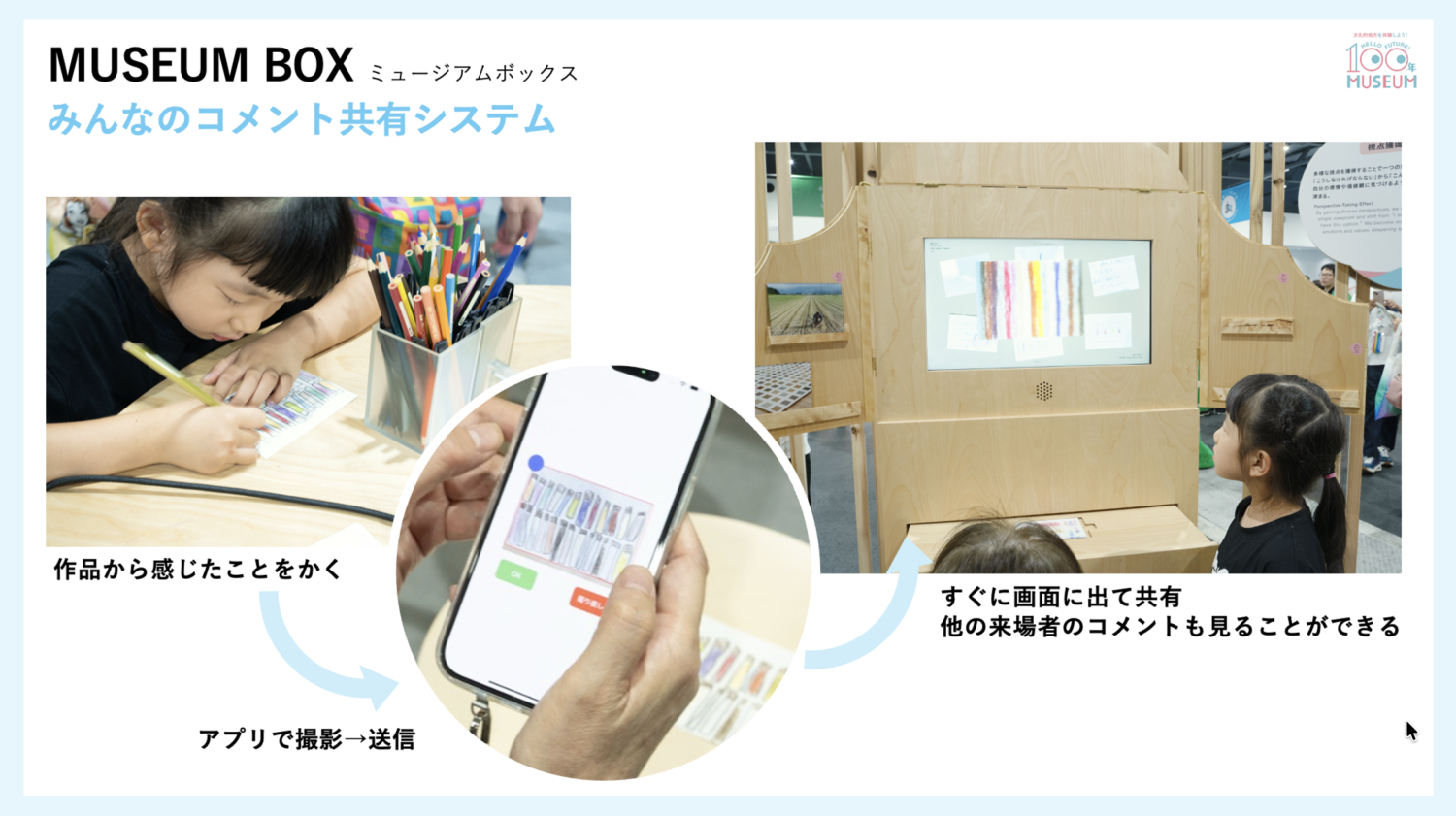
I worked with Inaniwa Sawako (Senior Curator at the National Center for Art Research) and others to create the exhibit “Discover Cultural Prescribing! Hello Future! 100-Year Museum” (EXPO 2025 Osaka-Kansai, August 2025), and the insights Ms. Inaniwa shared about how visitors responded at the venue were extremely helpful.
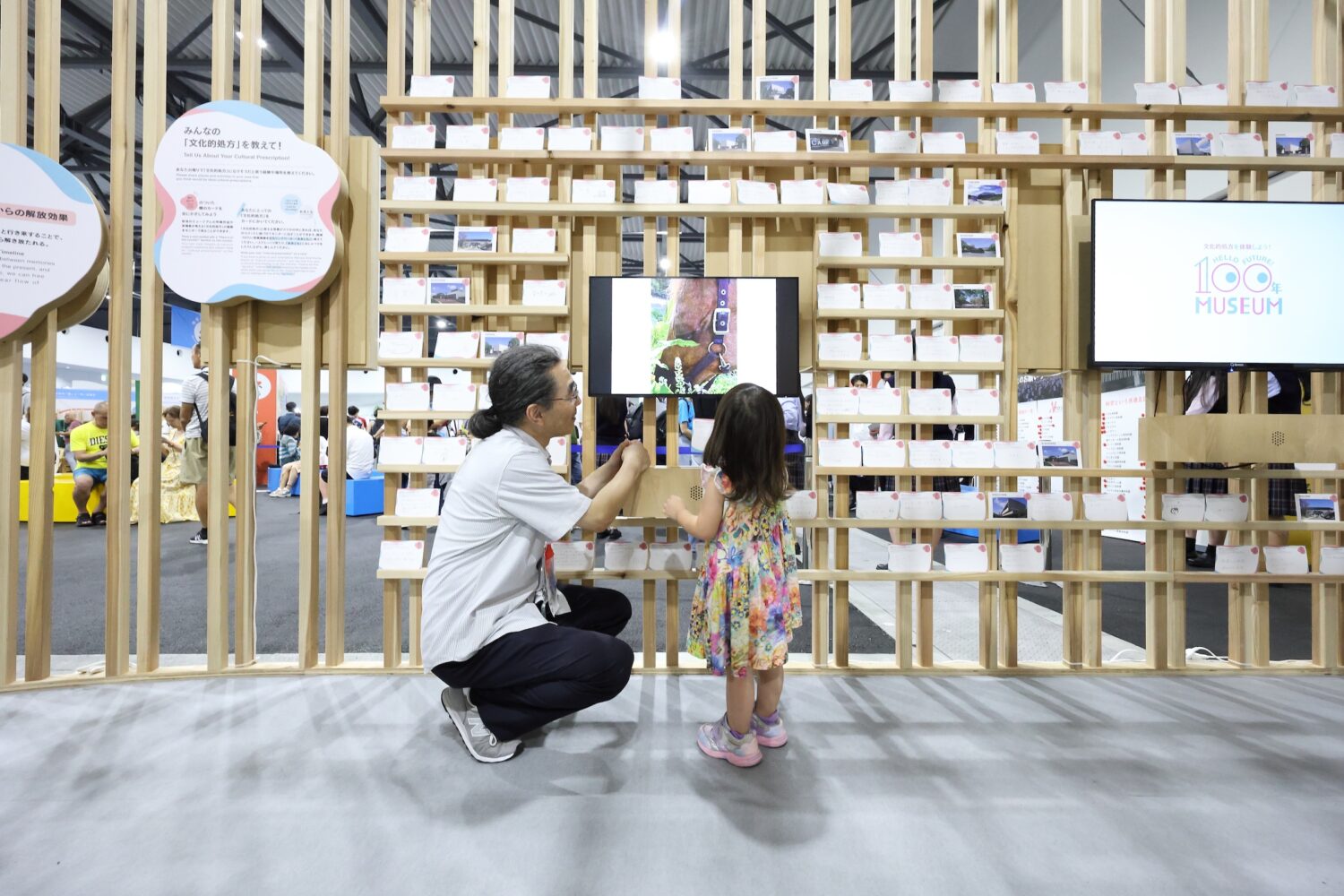
The EXPO exhibit used a system where visitors could select one photo from their smartphones—one they felt represented their own cultural prescription—and have it displayed on a large screen within the exhibit space. When the photo appeared on the large display, it felt as though the photo they had taken had become part of the exhibit itself. Building on that experience, I feel it is really important to have visitors’ own comments appear on the screen, even if it’s just text.
Scenes from “Hello Future! 100-Year Museum” at EXPO 2025 (Photo by AYAMI)
Editorial Team It’s interesting that although digital technology is at work behind the scenes, the actual activity is the analog act of writing a postcard. Did you ever consider having participants type their responses on a smartphone?
Kiriyama We did consider smartphone input, but we decided on the handwritten method because there were some hurdles involved, and we felt it might dilute the nuance of “writing a personal reflection.” Now that we’ve actually tried it, we’ve seen a wide variety of responses—some people write words, while others draw pictures—and we’re really seeing the value of handwriting.
The mechanism behind the “Hello Future! 100-Year Museum” exhibit at EXPO 2025
Partly because of the large number of visitors at the EXPO, we received about 500 comments. The theme of the exhibit was “Your Cultural Prescription,” and the comments gave us a clear sense of how people felt when they heard the term “cultural prescription.” In the Kawasaki exhibit as well, we saw a strong sense of interest in the everyday culture and way of life that were prevalent during the era represented in the photos.
The Idea Came from an Encounter in the UK
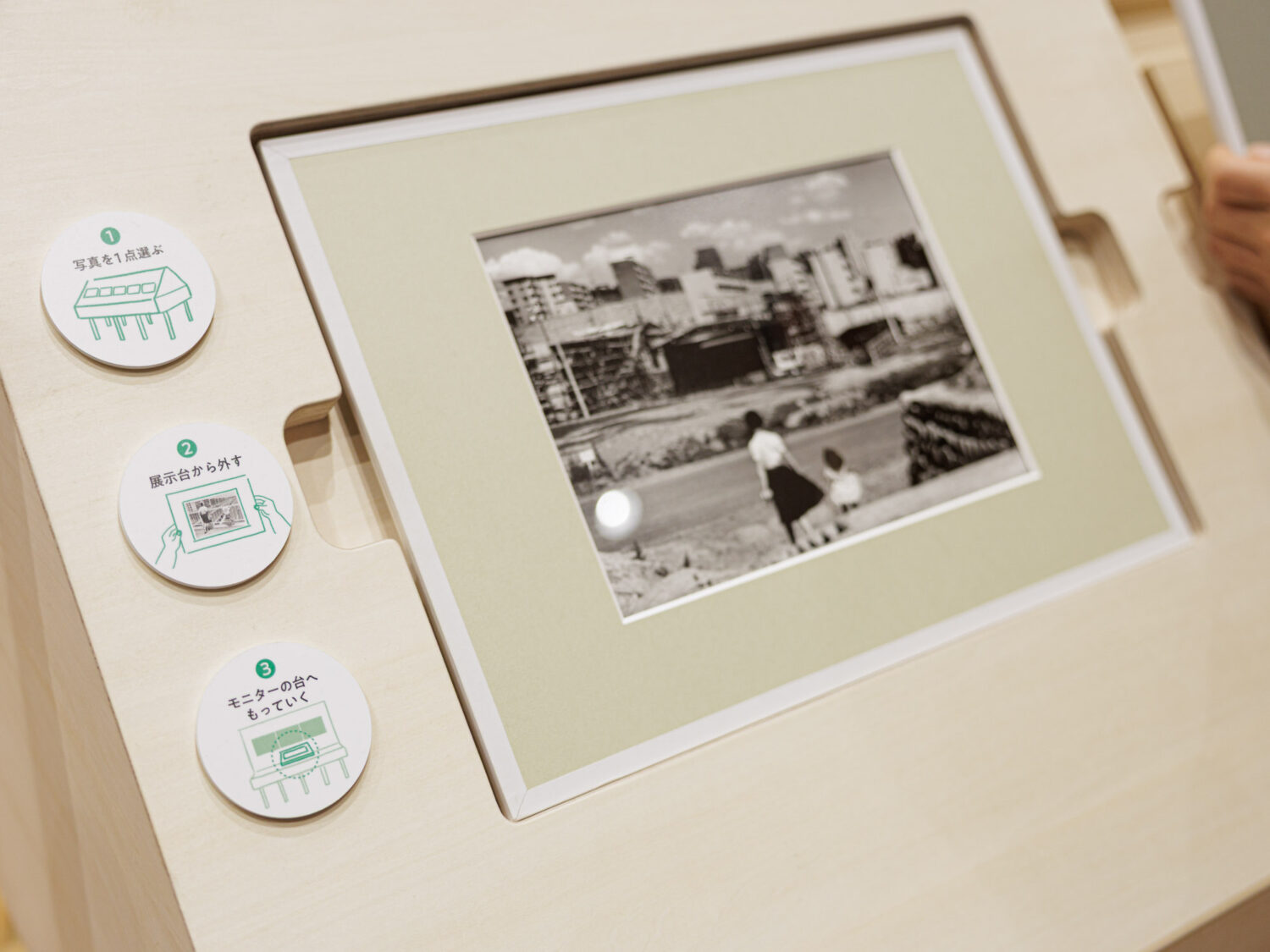
Editorial Team For the Kawasaki exhibit, it seems that NFC tags were embedded in the exhibit photos, and when a photo was placed in the designated spot, information appeared on the monitor. The system for displaying the information was very user-friendly.
Kiriyama We first used NFC tags in the previous “KAWASAKI in Photos”exhibition (October 2024). Actually, it all began when I spoke with the developer of a device called Museum in a Box during a visit to the UK about six months prior.
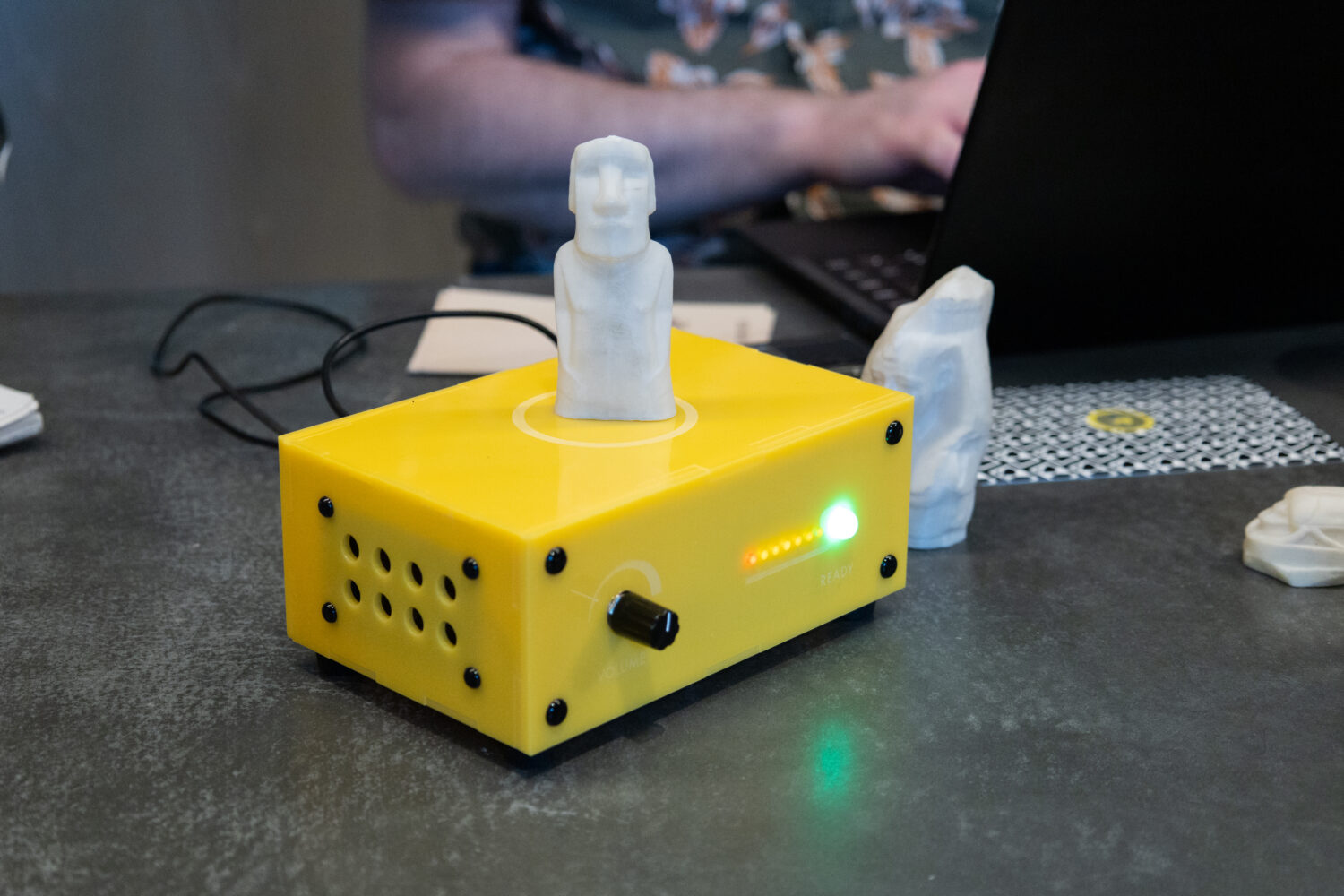
Museum in a Box, which plays audio clips when objects are placed on it. Photo: Editorial Team
Museum in a Box is a device developed in the UK that functions like a hands-on mini-museum. When an object such as a three-dimensional artwork, card, or photograph equipped with an NFC tag is placed on top of the box, an audio commentary linked to that object plays automatically. I was impressed by the convenience of the NFC tags and how the audio portion creates a sense of familiarity by providing information that can be received aurally.
Museum in a Box
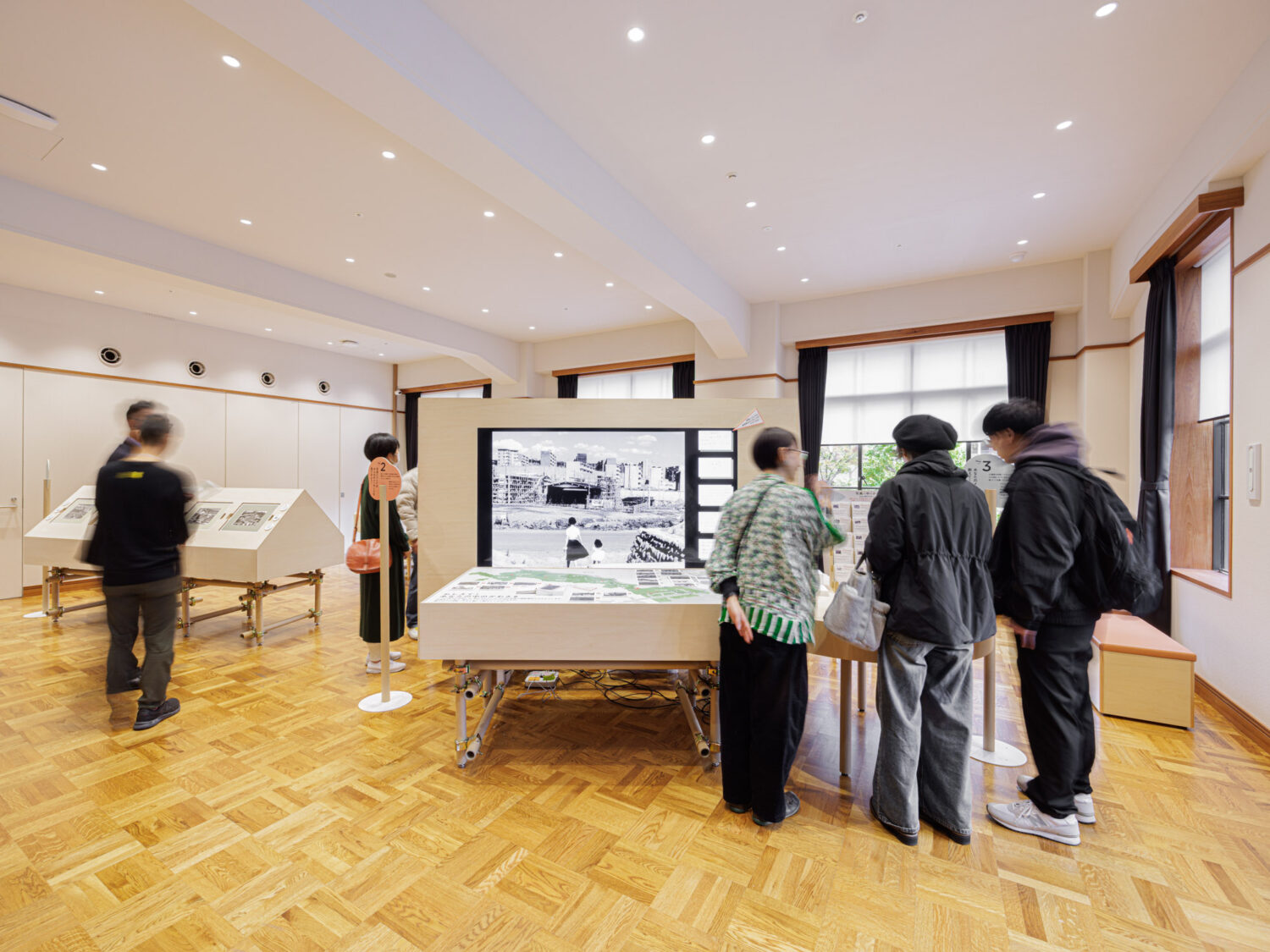
We developed something slightly different for this exhibit, using the Museum in a Box concept as inspiration. At Kawasaki City Hall, we arranged the photographs throughout the exhibition space and placed three display screens side by side across a wide span, so the entire space took on the feel of a Museum in a Box. While the UK project was self-contained within a single unit, our exhibit evolved so that the entire room became the “box,” with a networked system for collecting comments integrated into it. Since NFC tags cost only a few dozen yen each, I believe this system could be applied to other exhibits as well.
Technology Is Best When It’s Invisible
Editorial Team The exhibition technology you develop uses analog forms of input, making it easy for visitors to approach.
Kiriyama Through my involvement in creating exhibits at Tokyo University of the Arts, I came to realize that technology isn’t necessarily the main focus for visitors.
What truly resonates with people are things they can actually see and experience. I believe that, when it comes to engaging with these experiences, it’s better if the technology remains invisible. That way, people can focus on the content itself. In discussions with Ms. Inaniwa and her team, we placed a strong emphasis on “intuitive design.” We want to ensure there are no barriers, whether for children or seniors. That’s why we’ve adopted the approach of “digital output, analog input.”
Experiments in Conversing with AI Robots—Leveraging Visitors’ Insights for the Future
Editorial Team We heard that this exhibit also featured experiments involving conversations with AI robots.
Kiriyama We have been collaborating with Professor Nakazawa Atsushi’s lab at Okayama University. We set up three social robots at the venue. These social robots utilize large language models (LLMs) and are capable of conversing on a wide range of topics. The AI powering the robots was designed to ask questions and engage in conversation with visitors to the exhibit. Since there were multiple robots, visitors could experience participating in a conversation rather than simply having a one-on-one conversation with a robot. It worked by having the three robots converse among themselves before turning the conversation over to the visitor.
We held two workshop sessions during the exhibit and invited visitors to join in the conversation. Both children and adults participated. While the conversations did take place, they felt a bit unnatural, as participants inevitably had to adjust their timing to match the robot’s. People are using ChatGPT and similar tools on their smartphones more and more these days, but when “conversing” with AI on a smartphone or computer, we don’t really mind if there are long pauses in the exchange. However, when it comes to spoken conversation, tempo is crucial, and handling those pauses still feels challenging.
Editorial Team It’s likely those “pauses” will disappear before long. Do you have any memorable episodes from visitors’ conversations with the robots?
Kiriyama During the workshop, a male visitor in his 70s came by. After looking at a certain photo, he remarked, “There used to be a sing-along café on the third floor of this building.” If we record that in the robot’s dialogue database, we can apply that anecdote in conversations with future visitors. If the next person says, “There are all kinds of shops here,” the robot brings up that previous conversation, saying, “I heard there used to be a sing-along café here.” Furthermore, the robot looks it up on its own and provides additional information, such as, “Back then, people used to sing Russian folk songs at the sing-along café.”
Before holding the robot workshop, we conducted a workshop with Kotora, a group of art communicators, where participants looked at photographs and discussed their thoughts. We also fed the AI the dialogue that took place between the art communicators during that session. In this way, we built up a stock of information in advance and then added visitors’ spoken interactions collected during the exhibition period. We created a repository of conversations within the specific context of the exhibit. In terms of accumulating the experiences of visitors, I think even the current AI is doing a pretty good job.
Exhibitions Are Opportunities for Development
Editorial Team What do you see as the role of exhibits?
Kiriyama For me, exhibitions feel like opportunities for development. Of course, part of that is due to having to push myself under a tight deadline! In 2025, with the Yokohama Museum of Art, the Kawasaki City exhibit, and the Osaka-Kansai EXPO, I had many opportunities to develop exhibits, and I definitely found that these opportunities led to significant progress in my work.
The exhibit at the Kawasaki City Hall has progressed in stages. During the pre-Expo event, we had no system in place to collect visitors’ own cultural prescriptions. Once we discovered the Museum in a Box, the idea developed so that the entire room became a kind of box, and the system was then networked. At the EXPO, data was transmitted from smartphones to computers.
The Sato Masahiko exhibit (June–November 2025), which also served as the commemorative exhibit for the reopening of the Yokohama Museum of Art, featured one of my installations titled Arithmetik Garden, which was created in collaboration with Sato Masahiko. I hope to analyze the data accumulated during the exhibit in the future.
Editorial Team Could you tell us about your future goals?
Kiriyama If we set the goal of having robots use AI to engage in natural conversation, we’ll need to prepare for that as we move toward the next exhibit. We’re also considering collaborative exhibits with companies; in fact, we held a similar exhibit at the Odakyu Romancecar Museum. If we were to do another one with a company next time, I’d like to incorporate robots and develop a version that can converse with humans in an even more natural way. I believe voice interaction holds tremendous potential. If we can link that natural interaction to the accumulation of knowledge and expressive responses, I think it will elevate the whole concept of exhibits to a new level.
Exhibits have two aspects: one is evolving technologically to meet the needs of visitors, and the other is the research aspect of accumulating information. Regarding the exhibit at the Kawasaki City Hall, after working with the system over the past two years, we’ve gained a good understanding of the effectiveness of NFC, so by publishing our findings in academic papers, we can make it easier for others to use it. While exhibits are important, I believe that preserving this kind of knowledge as “public knowledge” through academic channels will help raise the overall level of technology for future researchers and those who wish to use technology for creative expression.
Profile
桐山 孝司
Kiriyama Takashi
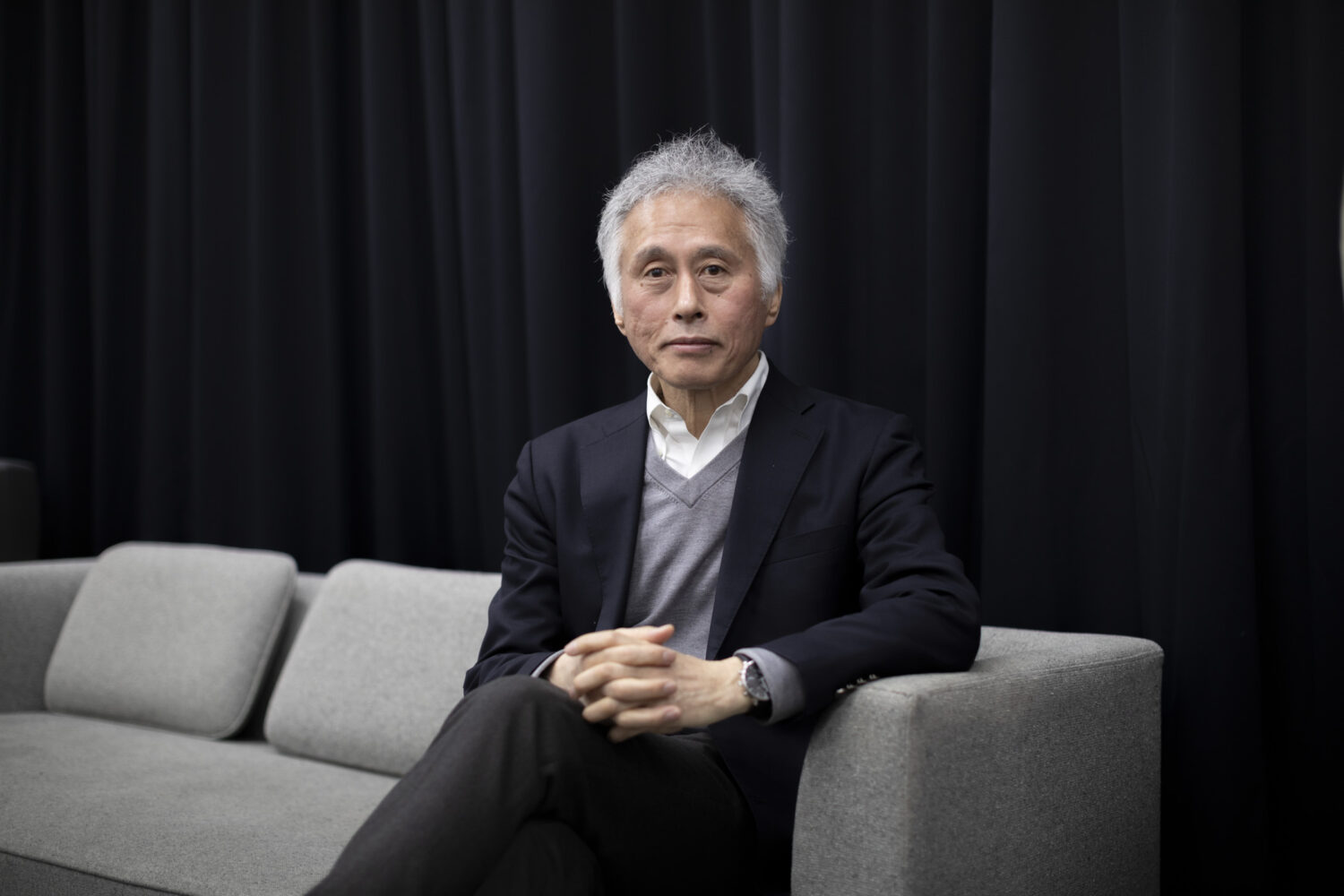
Professor in the Department of Media Arts, Graduate School of Film and New Media, Tokyo University of the Arts. He completed his graduate studies at the Graduate School of Engineering, University of Tokyo, and received his Ph.D. in Engineering in 1991. He was affiliated with the Research into Artifacts, Center for Engineering (RACE) at the University of Tokyo and the Center for Design Research at Stanford University before assuming his current role. He has served as Dean of the Graduate School of Film and New Media since 2016 and as Research Leader of the COI Center at Tokyo University of the Arts since 2017. Starting from the integration of intelligent systems into engineering design, he has conducted research in fields such as knowledge and information processing, interactive media, and visual media studies. As part of EUCLID (Sato Masahiko + Kiriyama Takashi), he has presented works such as Arithmetik Garden (2007), Pool of Fingerprints (2010), and Hill of Reign (2015).