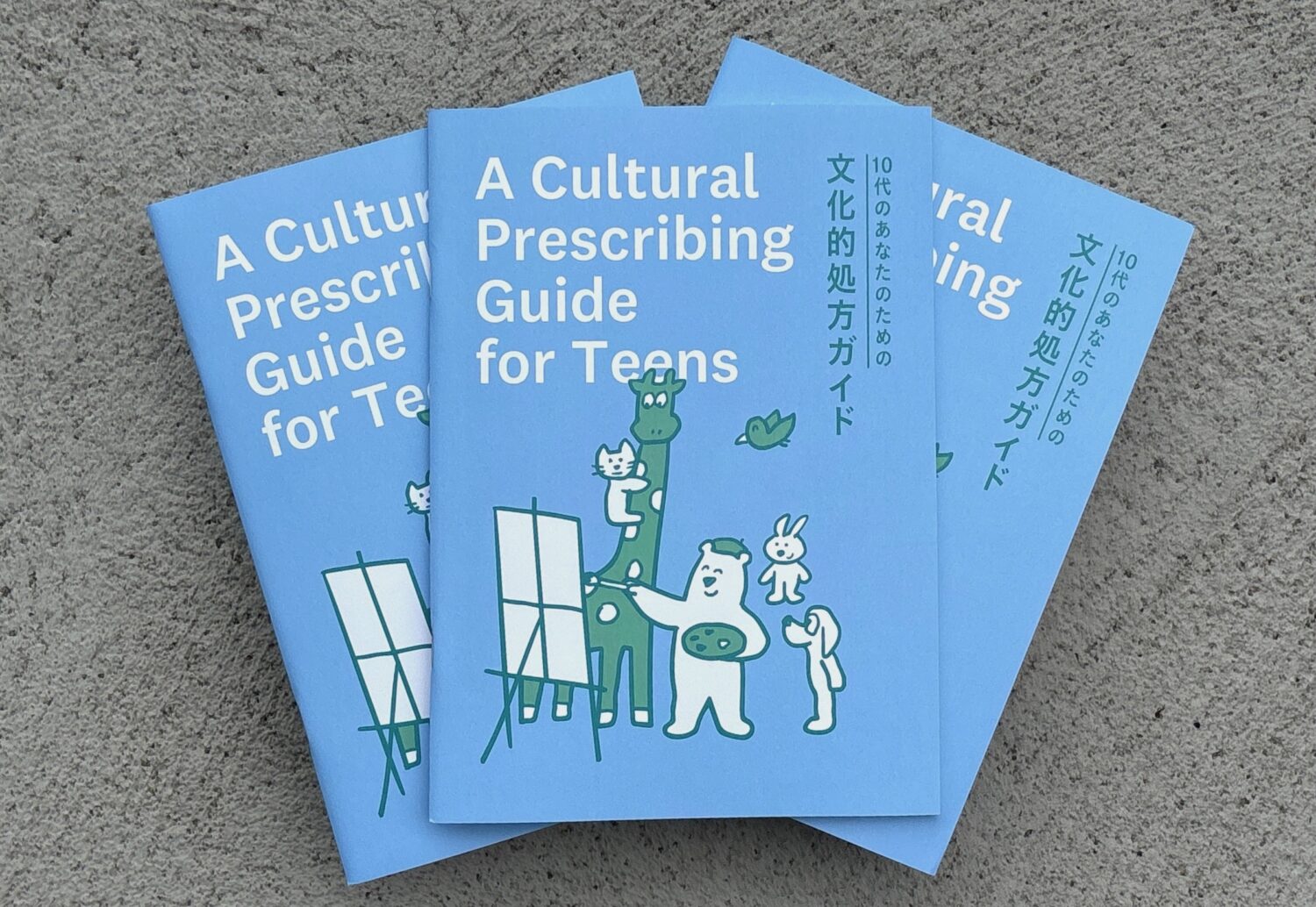
At one time or another, everyone has experienced feelings such as a sense of loneliness, or anxieties that are hard to share with others. With this in mind, we created “A Cultural Prescribing Guide for Teens” with the desire to provide a guidebook that is especially relevant to the younger generations.
“A Cultural Prescribing Guide for Teens” distributed at the EXPO 2025 Osaka/Kansai.
A New Perspective: Cultural Prescribing
The theme of this guidebook is the concept of “cultural prescribing.” Cultural prescribing is a way of supporting people’s wellbeing through art, culture and creative experiences. Everyone has had the experience of feeling better after listening to music, sketching a picture to calm down, or watching a movie with someone and engaging in lively conversation. Experiences that help people reconnect with a sense of being truly alive are at the heart of cultural prescribing.
The guidebook was distributed at the EXPO 2025 Osaka/Kansai, and a link to a downloadable PDF file is included at the end of the book. It is our hope that as many people as possible can enjoy the content.
It Begins with a Story
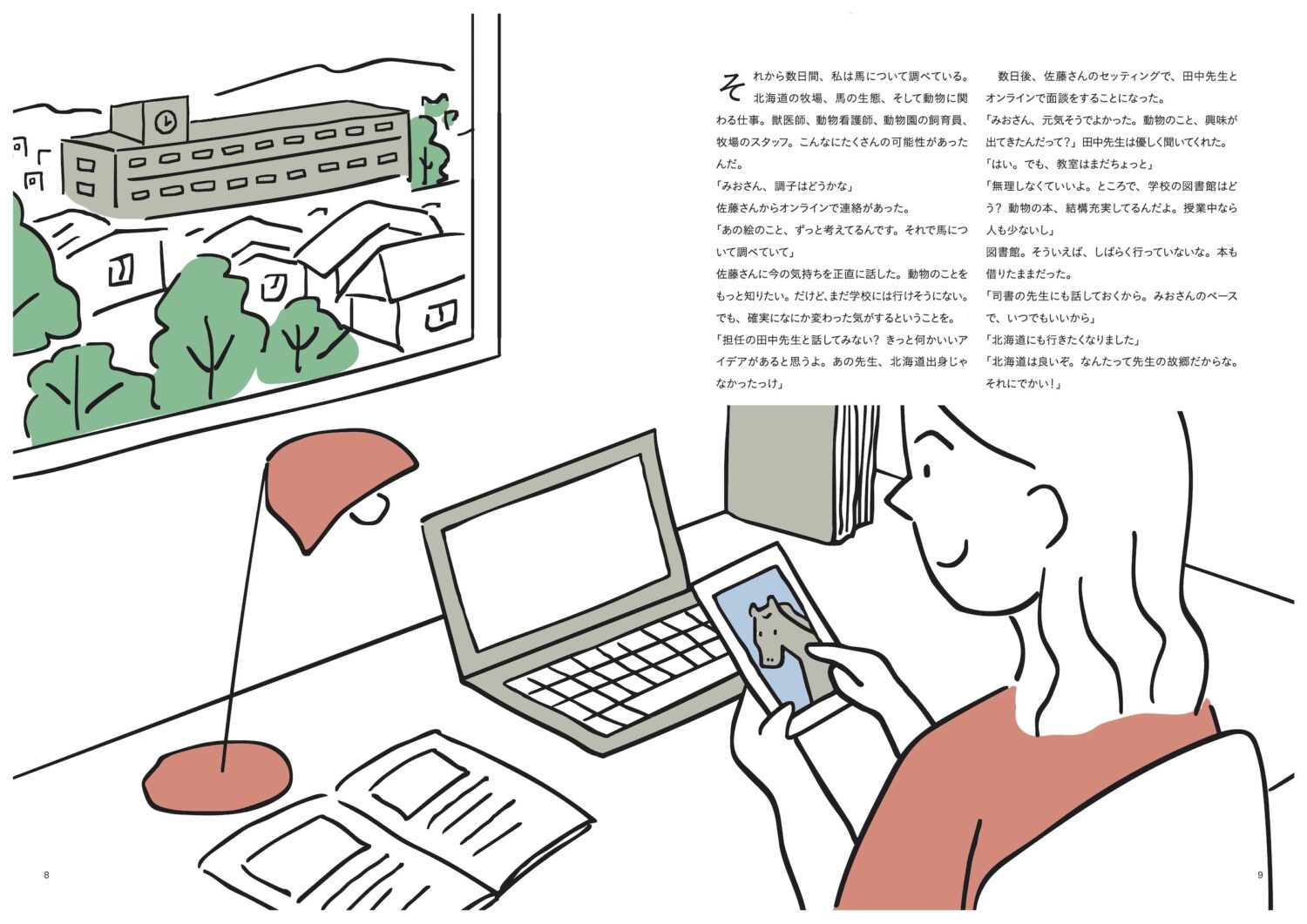
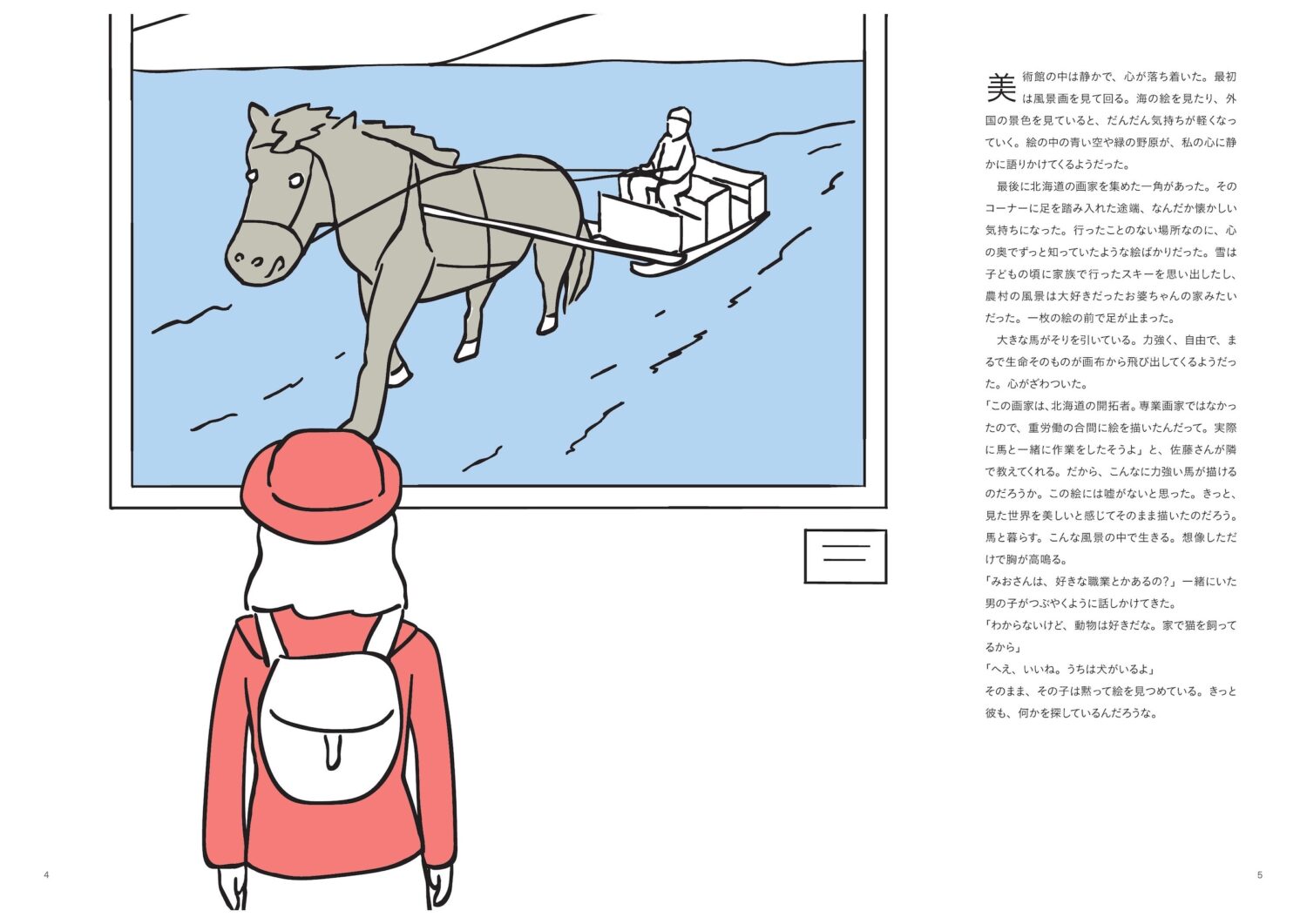
The guidebook begins with “On the Other Side of the Field,” a story about a high school student who has stopped going to school. The reason for her inability to attend school is unclear. She isn’t being bullied; she just feels like she doesn’t belong in the classroom. The protagonist’s state of mind expresses the vague anxiety and loneliness experienced by many young people. We chose this common issue because we wanted to convey that even those without a specific problem can feel lonely. The story depicts how a small encounter at an art museum breathes new life into the protagonist’s heart. Alongside the story, readers can also enjoy the illustrations by the well-loved SANDER STUDIO.
What We Hoped to Share
The guidebook wasn’t created merely to introduce the concept of cultural prescribing. We wanted to send a message to young people — and, of course, to people of all generations — who feel lonely and anxious in today’s society: that “You are not alone” and “It’s okay to take small steps.”
Some people may find art intimidating or feel that museums have no relevance to them. We used the term “cultural prescribing” to express the power that art and culture have, and our aim was to convey that these activities are not something reserved for special people, but something that anyone can easily embrace. We wanted to encourage people to cherish the sense of being alive within their hearts through their own unique expressions and experiences. It was with this desire in mind that we created the guidebook.
Making Specialized Terms More Relatable
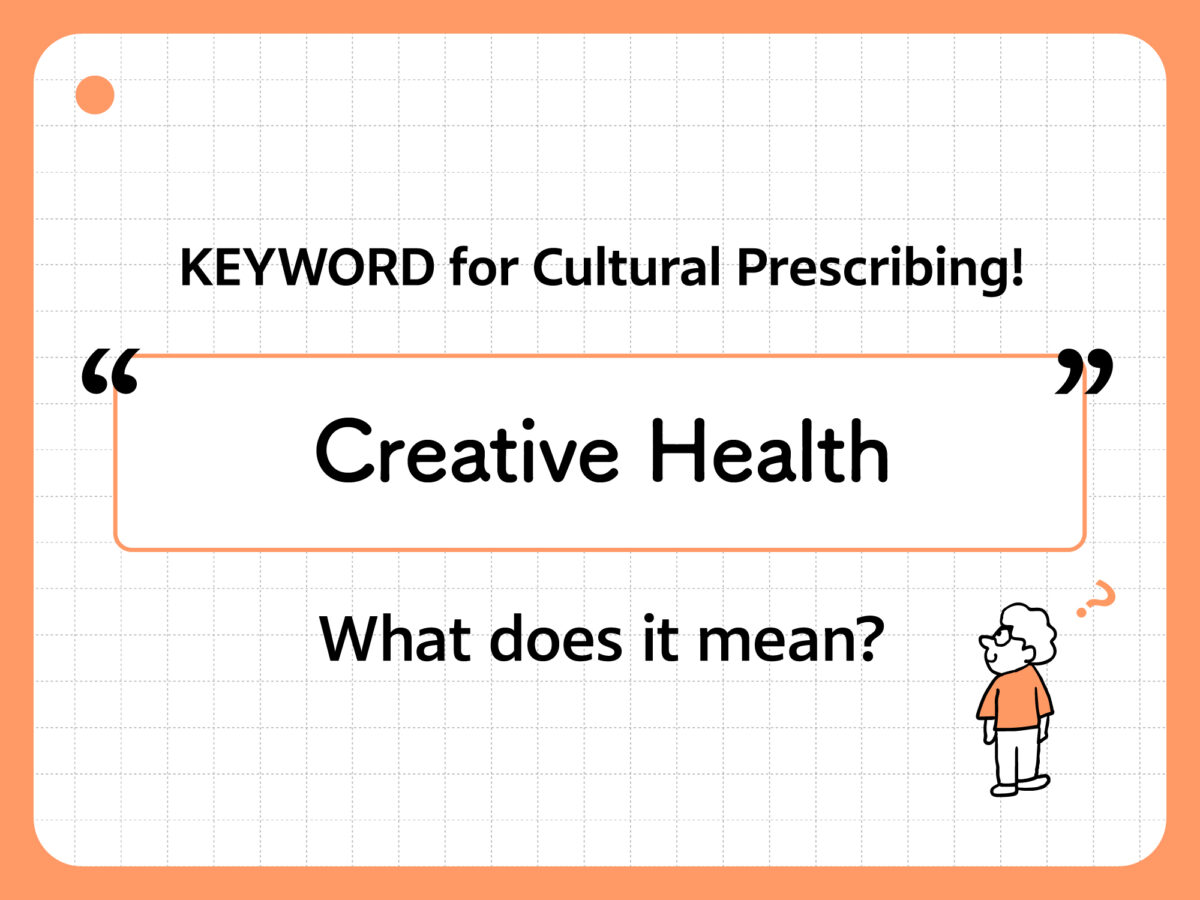
The guidebook also features specialized terms such as “unwanted loneliness,” “cultural link worker” and “creative health.” While these terms may seem difficult at first glance, they’re actually deeply connected to our daily lives.
For example, a “cultural link worker” is someone like Ms. Sato from the story—a “connector” who carefully listens and suggests cultural activities that are suited to the other person. No special qualifications are required; they are simply someone approachable who listens to someone’s interests and offers recommendations of relevant places to visit, or suggests going together.
A Hope-Filled Endeavor in the Real World
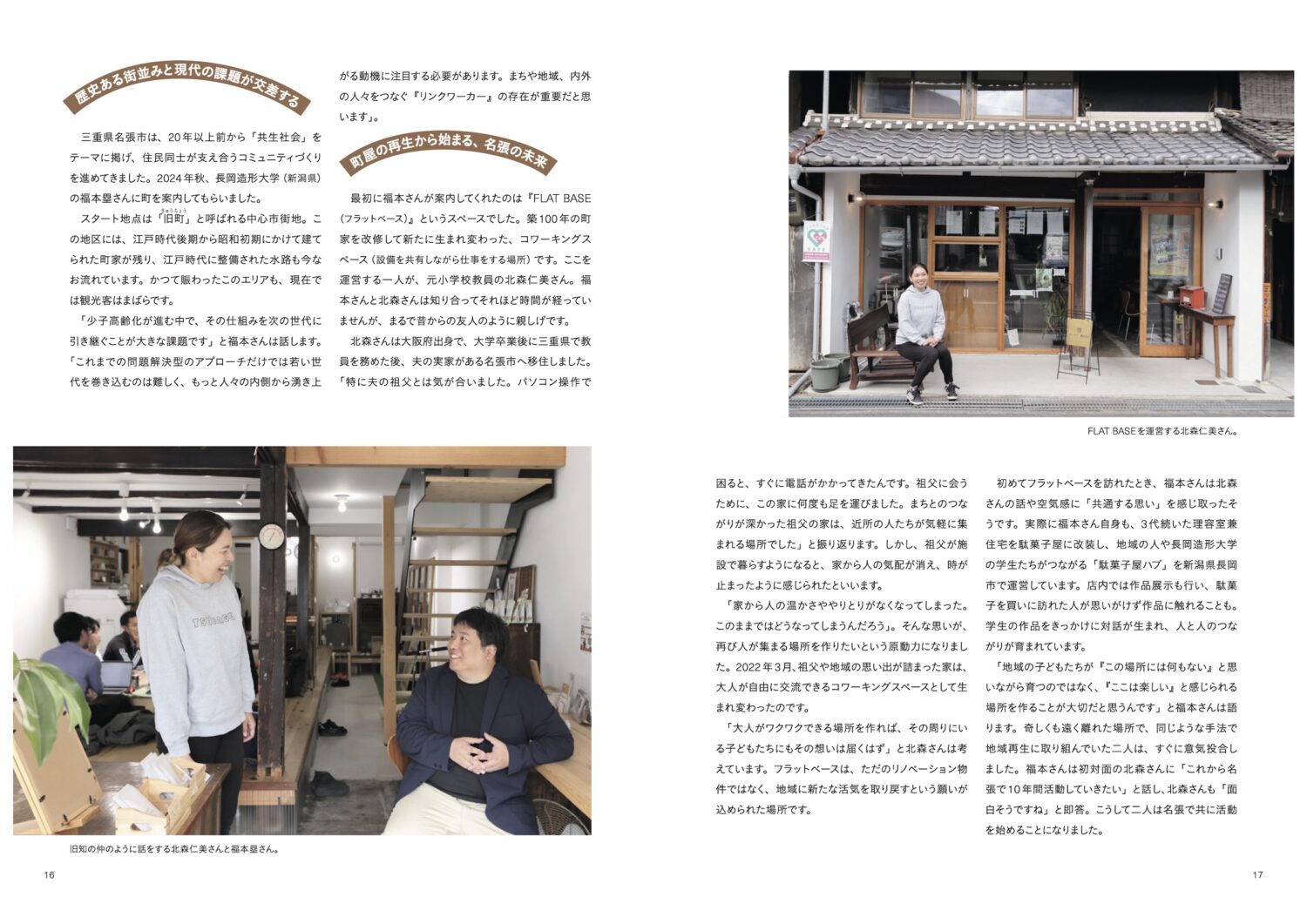
The guidebook introduces actual examples from around the world, such as the case of Nabari City in Mie Prefecture and the story of Murray, a therapy dog in Manchester, UK, because we wanted to show that cultural prescribing is not just theoretical.
At Nabari City’s Creative Community Art Studio, people ranging from two-year-old children to people in their nineties enjoy making things together. The guidebook features the story of 59-year-old N, who overcame their sense of failure in drawing in elementary school and rediscovered a passion for creativity, teaching us that we can discover a new version of ourselves at any age.
Words from the Experts
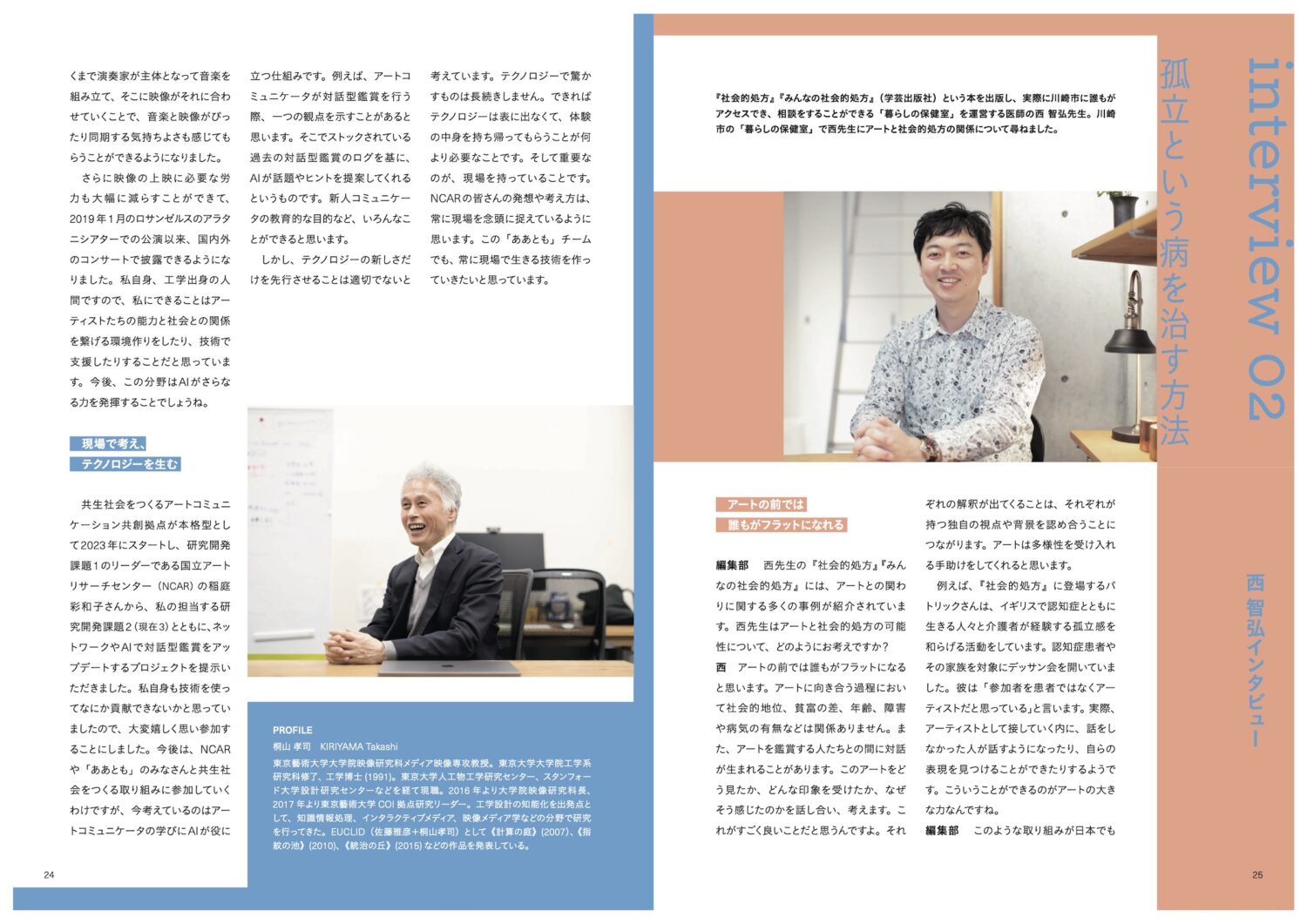
Interviews with Kiriyama Takashi (professor at Tokyo University of the Arts) and Nishi Tomohiro (doctor at Kawasaki Municipal Ida Hospital) offer insights into cultural prescribing from the perspectives of technology and the humanities, as well as medicine and art.
Kiriyama states, “The most important thing is to keep technology in the background and have visitors take home the experience itself,” while Nishi says, “Everyone is on equal footing in front of art.” Both emphasize that people come first— before technology or knowledge.
Everything Starts from an Initial Small Step
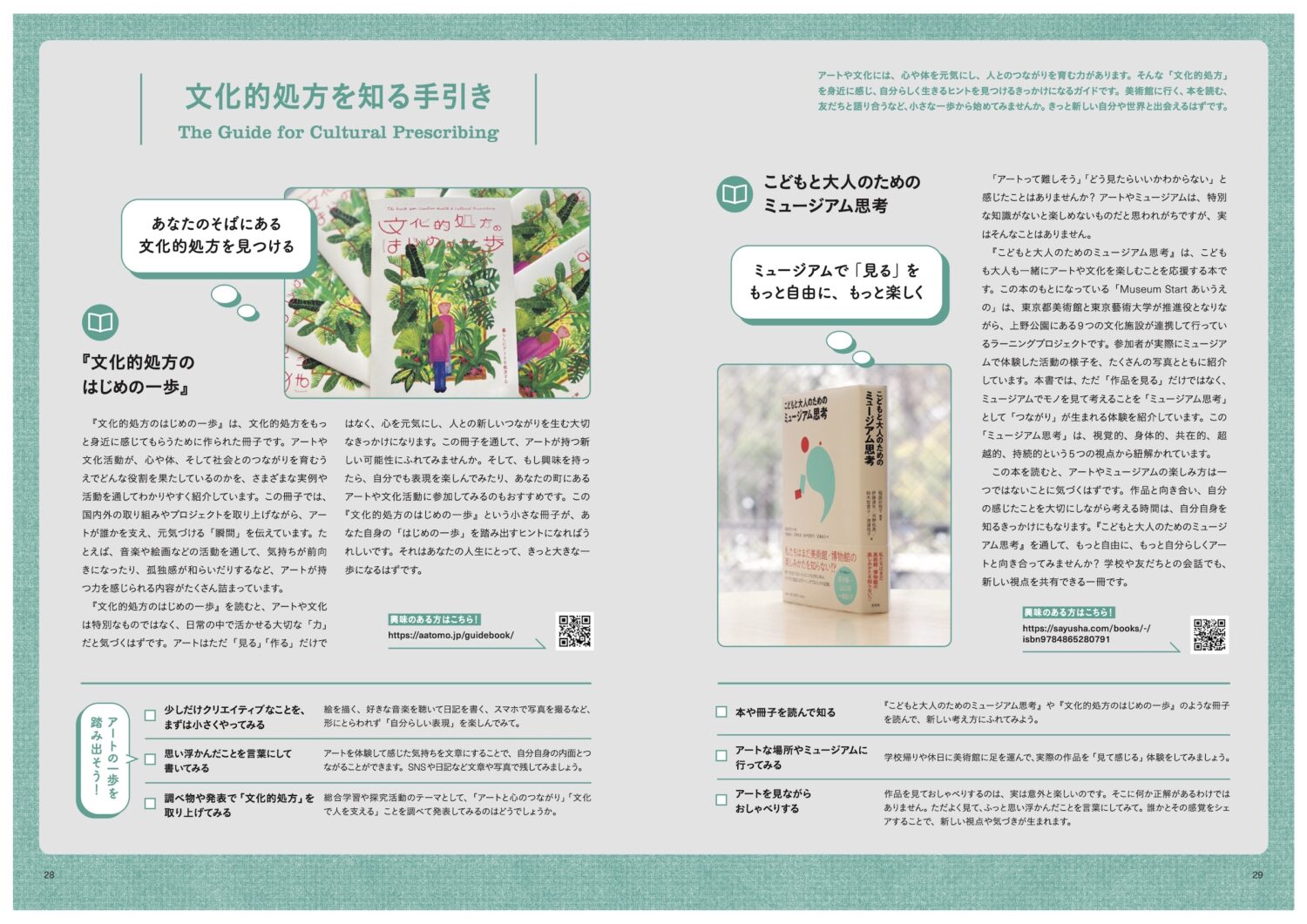
The “Guide for Cultural Prescribing” section recommends taking a first step by trying something a little bit creative, even on a small scale. This could be drawing a picture, listening to one’s favorite music and writing in a journal, or visiting an art museum. None of these require special skills. The important thing is to “try,” not to strive for perfection. Just as Mio, the character in the opening story, was moved by a painting of a horse in Hokkaido, experiences with art and culture are sure to touch something in each of us.
From Encounters at EXPO 2025 to the Future
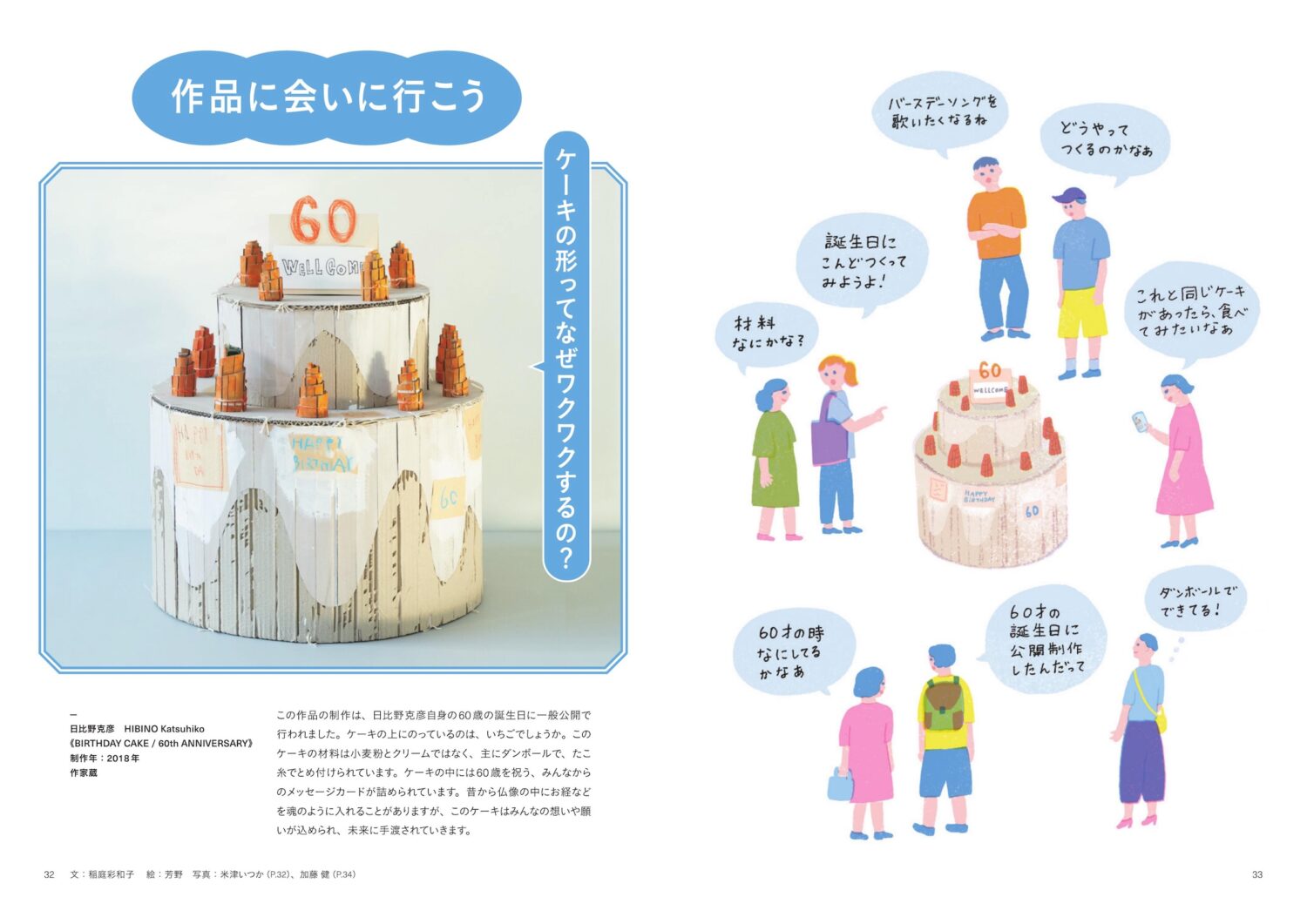
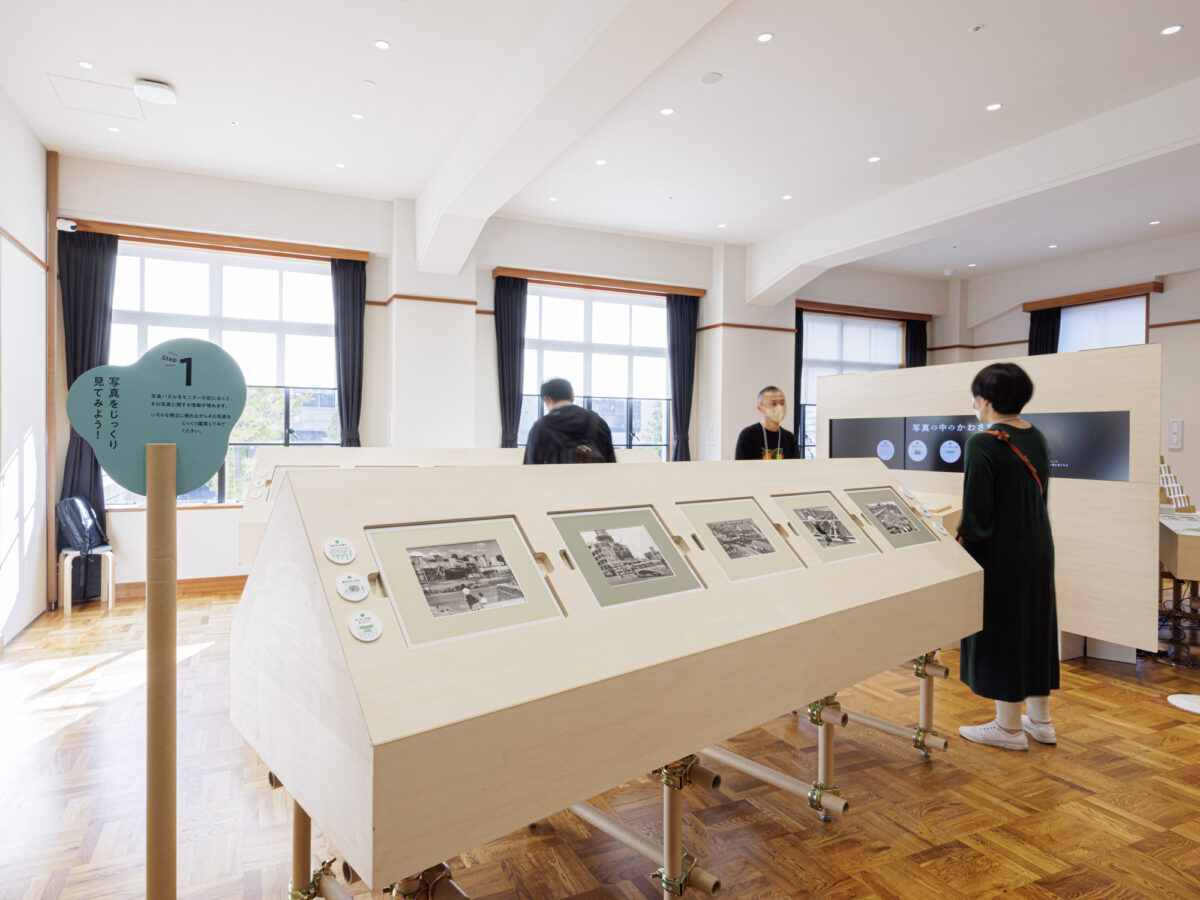
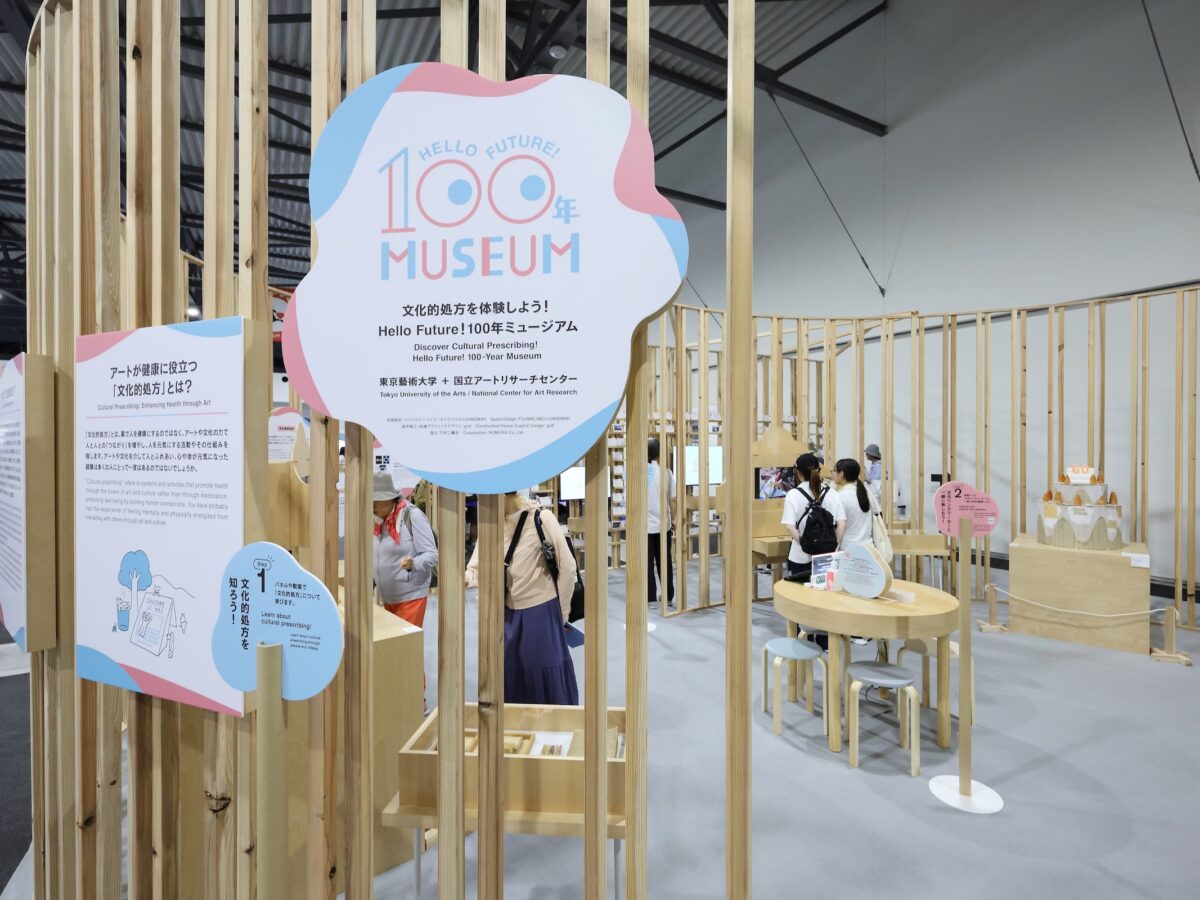
The guidebook was distributed at the “Discover Cultural Prescribing! Hello Future! 100-Year Museum” exhibit held during EXPO 2025. The three works featured in the guidebook were also featured in the exhibit, and many visitors saw them for the first time, expressing surprise and interest in the works and leaving comments. It was striking that everyone had the experience of “encountering” the works, rather than simply “seeing” them. Encounters with works of art may lead to new connections for you as well.
Although the EXPO 2025 has come to an end, we have made the guidebook available for download as a PDF, with the hope that it will continue to reach as many people as possible. We hope that you will enjoy this guidebook as a small signpost toward a future where people can feel safe even when they are alone, a society where each person can live as themselves.
A Cultural Prescribing Guide for Teens(available in Japanese only)